A day hike is all about the right balance: carrying enough to be comfortable and safe, but not so much that you haul unnecessary weight all day. The question "what do you bring on a day hike" sounds simple, but the answer depends on the weather, the distance and how far you are from any facilities. In this overview we walk through the packing list for a day hike and help you decide what truly needs to come along and what can stay at home.
We keep it practical and clear. First we look at what good preparation involves, then at the packing list itself with the essentials and the safety items, and after that at the trade-off between bringing something and leaving it behind. Finally we discuss how to organise your backpack and a warm drink along the way. For the parts that deserve more detail, we point to separate overviews, so this piece stays the common thread.
What good day hike preparation involves
Good preparation does not start with your backpack, but with your hike. How long are you out, what does the forecast say, will you pass places to refill or take shelter, and how well do you know the route? The answers to those questions determine what you bring. A short hike on a mild day asks for less than a long hike where the weather can turn.
So the core of preparing is matching: tune your kit to the hike instead of bringing everything by default. Do that and you carry less while still missing nothing important. The packing list below is a starting point; the skill is adapting it to your hike.
The packing list for a day hike

A packing list for a day hike falls into two groups: the essentials you bring almost every time, and the safety and weather items you match to the conditions. Below we walk through both groups. The full, detailed packing list with all the separate items sits in a separate overview we link to further on, so you keep the main line clear here.
The essentials: backpack, water, food
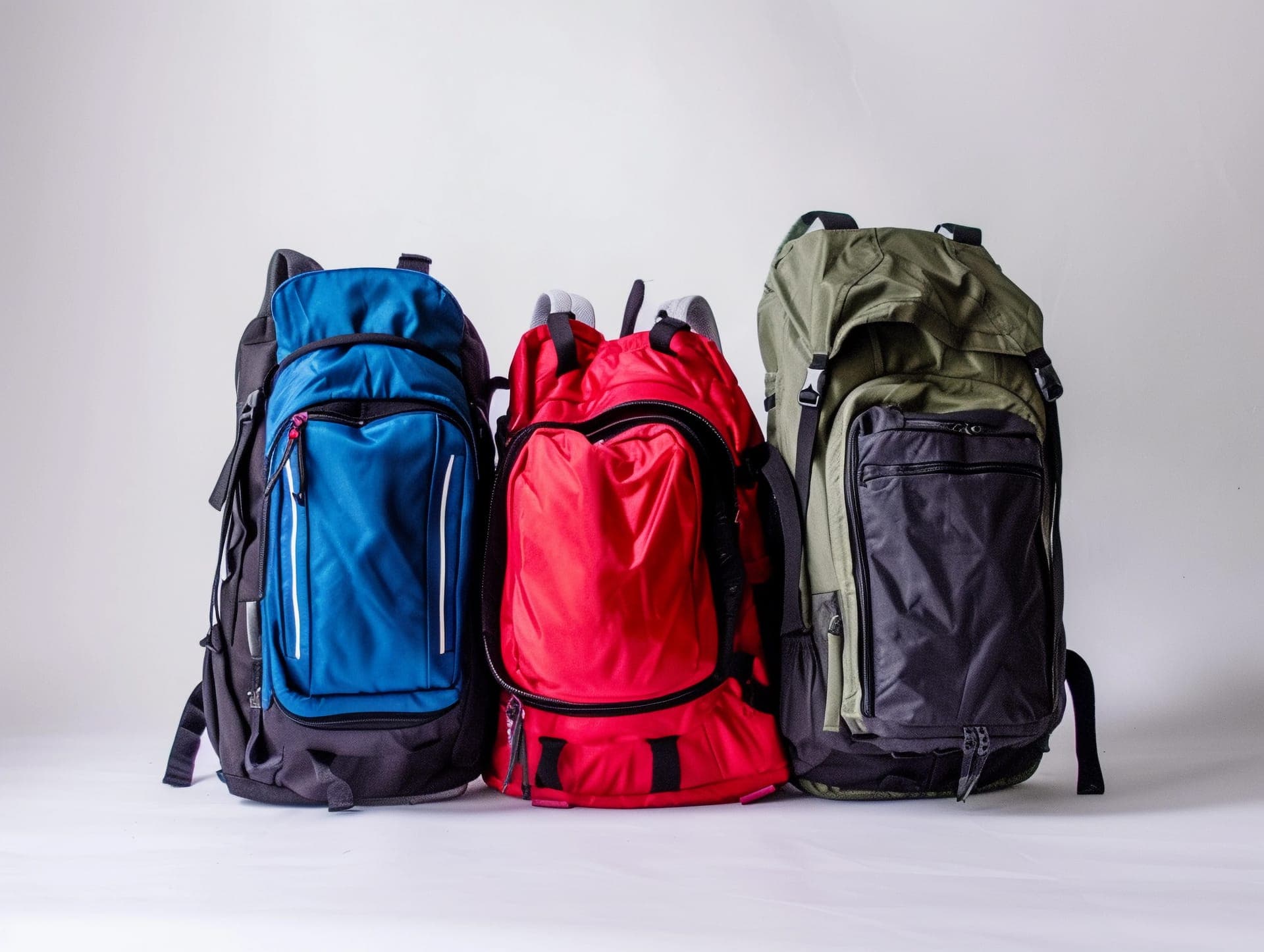
The basis of every day hike is a backpack that fits, enough water and something to eat. The backpack carries the rest, so you want it sitting well and in the right size: big enough for a day, no bigger than needed. Water is the most important consumable; bring enough and take into account whether you can refill along the way. For food, things that give energy and do not spoil work well, such as nuts, fruit and bread.
How much water to bring exactly and whether to choose a bottle or a water bladder is covered in the overview about carrying water along the way. Which backpack size suits a day hike is covered in the broader guide on which backpack fits your use. The backpacks themselves are at the outdoor backpacks and the bottles and carriers at the water bottles and carriers.
Safety: medical and weather
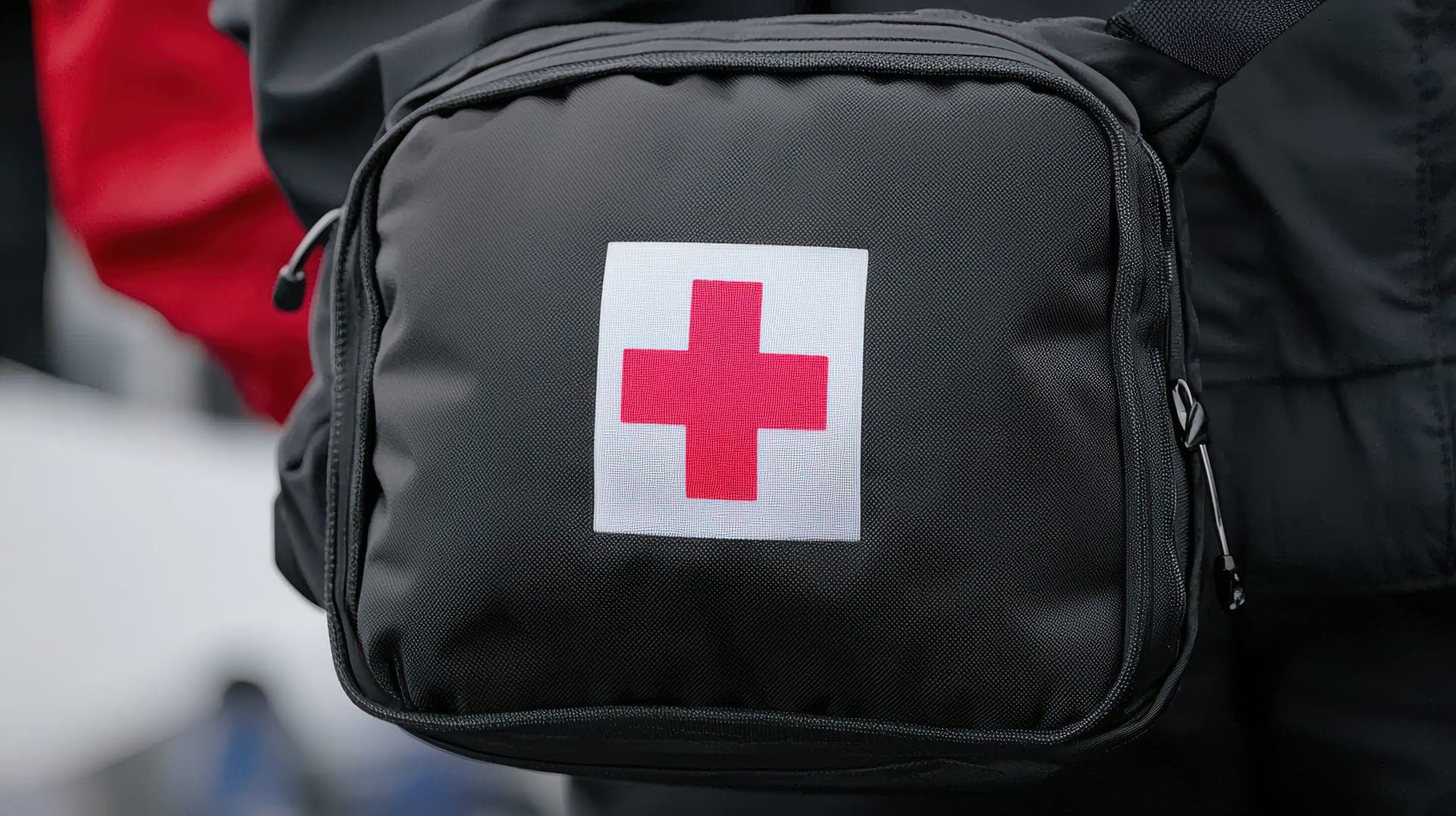
Besides the essentials, a small safety margin belongs in your backpack. A compact first aid set handles minor injuries and blisters, and clothing that suits the weather keeps a change in conditions from spoiling your hike. Think of a rain jacket or an extra layer, even when the morning starts out fine, because the weather can shift along the way.
A first aid set is meant to handle small things and bridge a situation, not to provide heavy care. In a real emergency you always call 112. Which first aid items are handy for the trail is covered in the overview about a compact first aid kit for the trail and the broader guide on medical on the move. The sets themselves are at the medical kits.
Good to know
The information about the first aid set in this article is meant to be informative and educational and does not replace professional medical help or a first aid course. In an emergency, always call 112.
What to bring, what to leave at home
The biggest gain on a day hike sits in the difference between "nice to have" and "really needed". Many people bring too much just in case and walk all day with items they never use. The rule of thumb is: bring what makes the hike safe and comfortable for the duration and the weather of that day, and leave the rest at home. For a day hike you do not need camping or sleeping gear, for example.
A few considerations on what to bring or leave at home:
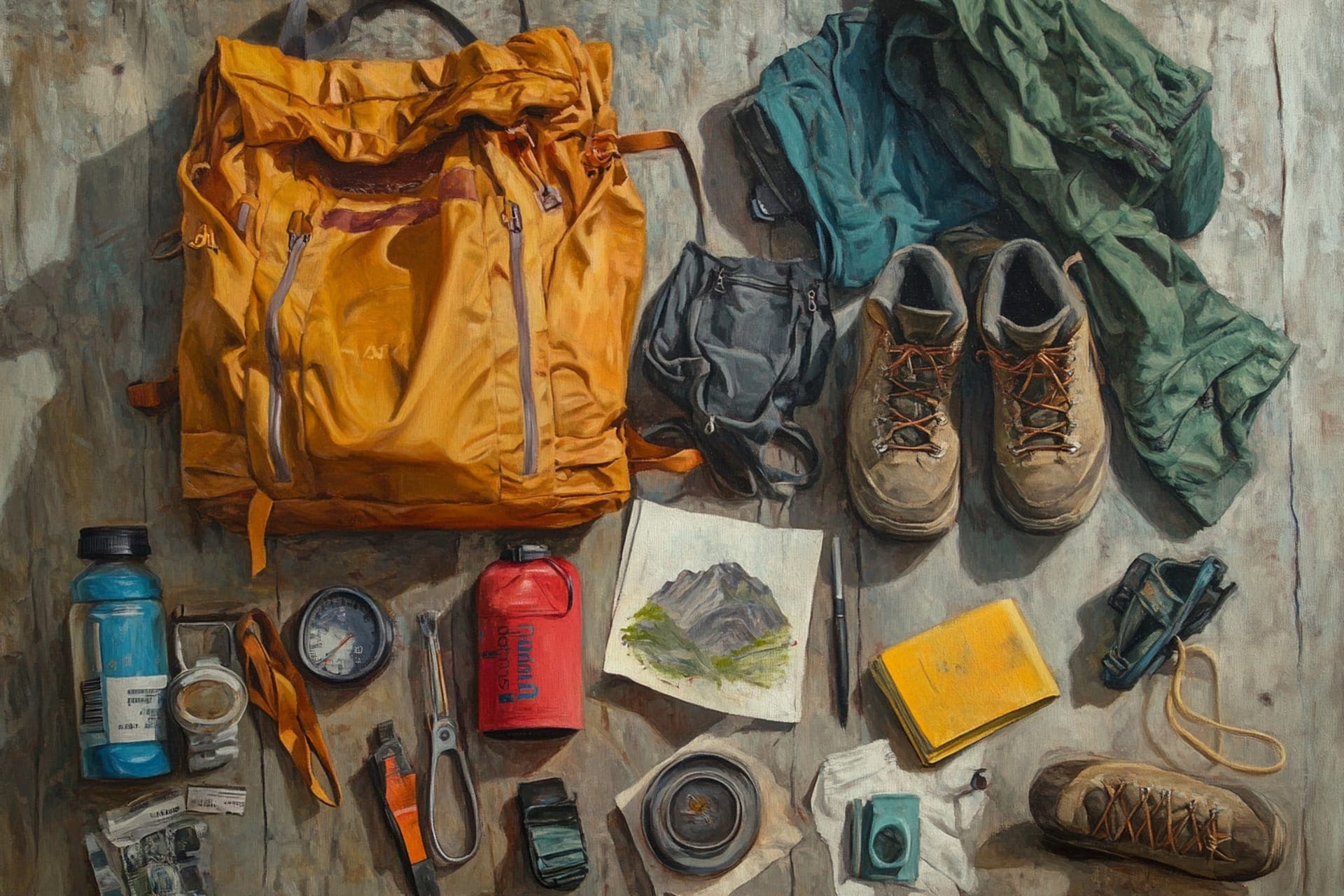
- bring: water, food, a fitting backpack, weather clothing and a small first aid set
- depending on the hike: a map or route description, a power bank, sun protection, a warm drink
- usually stays home: spare clothing for several days, camping gear, heavy extras you will not use
The full breakdown of what to bring and what can stay home, with concrete choices per type of hike, sits in the overview about what to bring on a day hike. Use the consideration above as a starting point and adapt it to your hike.
Organising your backpack for a day hike

What you bring is one half; how you pack it into your backpack is the other half. A sensible layout makes sure you carry the heavy items close to your back and in the middle, that frequently used things such as water, snacks and your rain jacket are within easy reach, and that the pack does not sit lopsided or awkward. That saves fatigue and hassle along the way.
How best to organise your backpack, with the trade-off about where the weight and the loose items sit most comfortably, is covered in the overview about organising your backpack for a day hike or trip. The backpack layout ties in with the size and the carry system of the pack itself; for that broader choice we point to the backpack guide we mentioned earlier. Keep it simple: heavy low and close to your back, frequently used on top or in a side pocket.
Coffee or a warm drink along the way
A warm drink during a break makes a day hike a good deal more pleasant, certainly in cold or wet weather. It does not have to be complicated: with a thermos you simply bring a warm drink along, and if you want to brew fresh coffee on the trail, that can be done compactly and without a kitchen. It is a small addition that noticeably raises comfort.
How to brew good coffee on the trail without a kitchen is covered in the overview about coffee on the move. The cups, presses and bottles for it are at the coffee on the move. Whether you bring this is a comfort choice; it is not part of the essentials, but it weighs little and gives a lot back on a long day.
The RFG kit for your day hike
RidgeFront Gear offers the parts that make a day hike practical: backpacks that suit a day out, ways to carry water, a compact medical set and items for a warm drink along the way. The starting point is functional: choose based on what your hike needs, not on what looks like a lot.
For the backpack, look at the outdoor backpacks, for water at the water bottles and carriers, for the first aid basis at the medical kits and for a warm drink at the coffee on the move. Use the packing list and the considerations from this overview as a frame to decide what suits your day hike.
Frequently asked questions
What do you bring on a day hike?
On a day hike you bring, at the basis, a fitting backpack, enough water, something to eat, weather clothing and a small first aid set. Depending on the hike you add a map or route description, sun protection, a power bank or a warm drink. Camping and sleeping gear stay at home. Tune the exact contents to the weather, the distance and whether you can refill along the way.
Which backpack for a day hike?
For a day hike you choose a backpack that offers enough room for a day but is no bigger than needed, with a carry system that sits well on your body. The right size depends on what you bring and how long you are out. The broader guide on which backpack fits your use covers how size, fit and layout together determine how a pack carries.
How much water for a day walk?
How much water to bring for a day walk depends on the temperature, the effort and whether you can refill along the way. There is no single number that always holds; assume a generous amount and take warm or demanding days into account. The overview about carrying water along the way gives rules of thumb to base the amount on.
Ready for your next day hike? Start with the backpack that suits a day out.