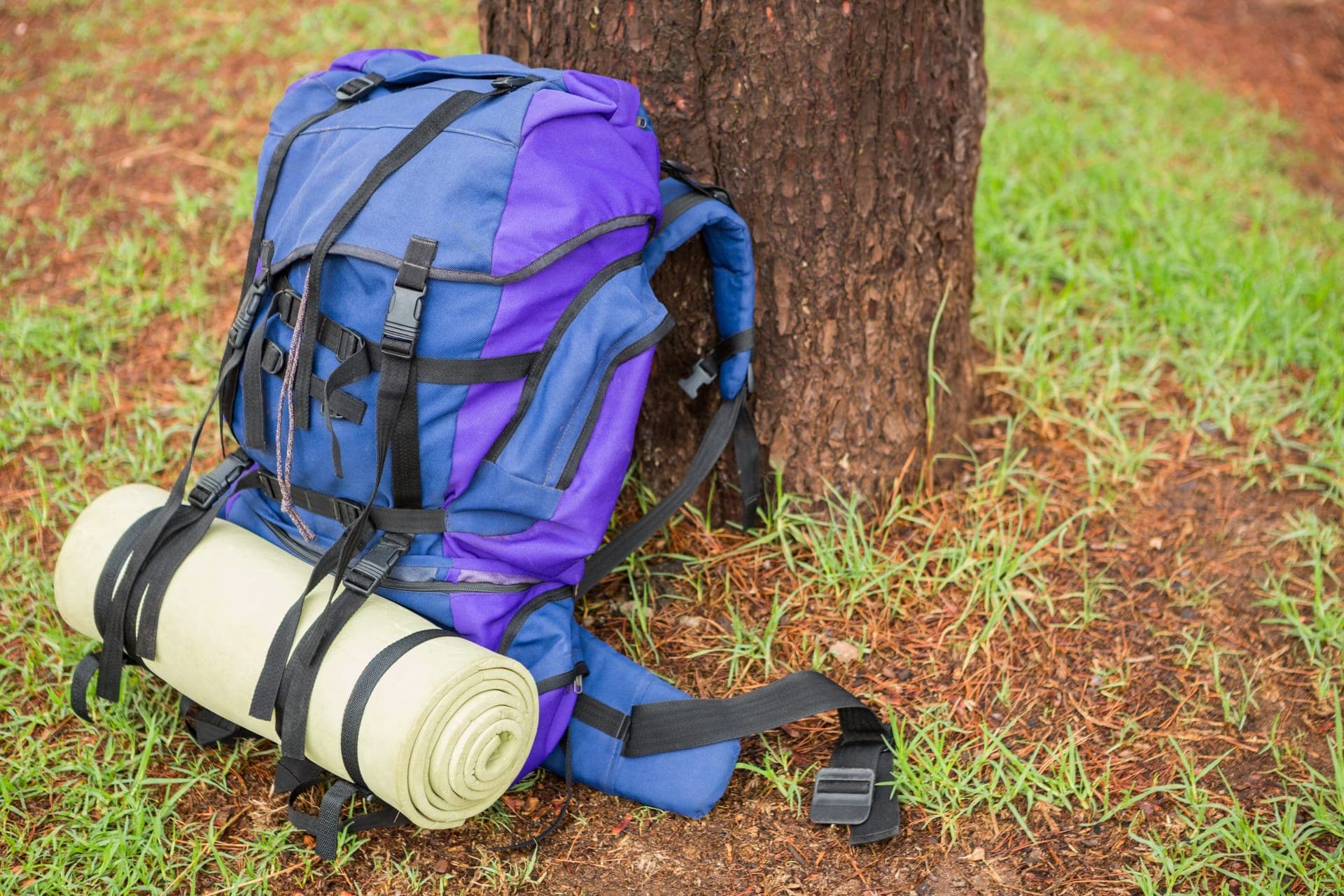
A backpack can have everything you are looking for on paper - enough capacity, sturdy materials and a comfortable fit - but in use it often comes down to something else: how logically you organise it. Because even a good backpack works less pleasantly if you constantly have to search for small items on the go, cannot grab your water quickly or have to empty your whole bag for something you need within a minute.
A smart backpack layout makes the difference between unrest and clarity. Not only during a hike or day trip, but also while travelling, in the car or during everyday use on the go. Precisely when your things have a fixed place, you notice how much more pleasantly everything works.
In this blog you will read how to organise your backpack smartly, which items to store where and how to prevent your bag from becoming a loose collection of things in which you can no longer find anything on the go.
Why a good backpack layout makes so much difference
Many people only think about their backpack layout at the moment something becomes awkward. You search too long for a snack, your rain jacket is at the bottom while it starts to drizzle, or your small first aid items wander loose among other things.
A good layout helps you to:
- reach important items faster
- keep calm and clarity
- dig less in your bag
- distribute the weight more logically
- have less frustration on the go
That sounds simple, but precisely in use that is where a backpack feels pleasant or awkward.
Do not start with packing, but with your use
The biggest mistake when organising a backpack is that people immediately put items into compartments without first thinking about their use. While that should actually be the starting point.
First ask yourself these questions:
- are you going on a short day trip or a long route?
- do you often want to be able to grab something on the go?
- do you have items that need to stay dry or protected?
- do you mainly use your backpack for hiking, travel or everyday going out?
- do you want to walk light and simple, or rather be a bit more prepared?
Only when you know how you are going to use your backpack can you logically determine what goes where. Still in doubt about which type of bag fits you? Then also read which backpack fits your use.
Organise your things by when you use them
The easiest way to organise your backpack smartly is not by type of product, but by when you need something.
You can roughly divide your things into three groups:
- things you need quickly
- things you need now and then
- things that mainly come along as a reserve
That immediately gives structure and prevents everything from disappearing randomly into your bag.

1. Things you need quickly
These are the items you want to reach easily on the go, without opening your whole backpack.
Think of:
- water
- snacks
- phone
- sunscreen
- rain jacket
- map or navigation
- tissues
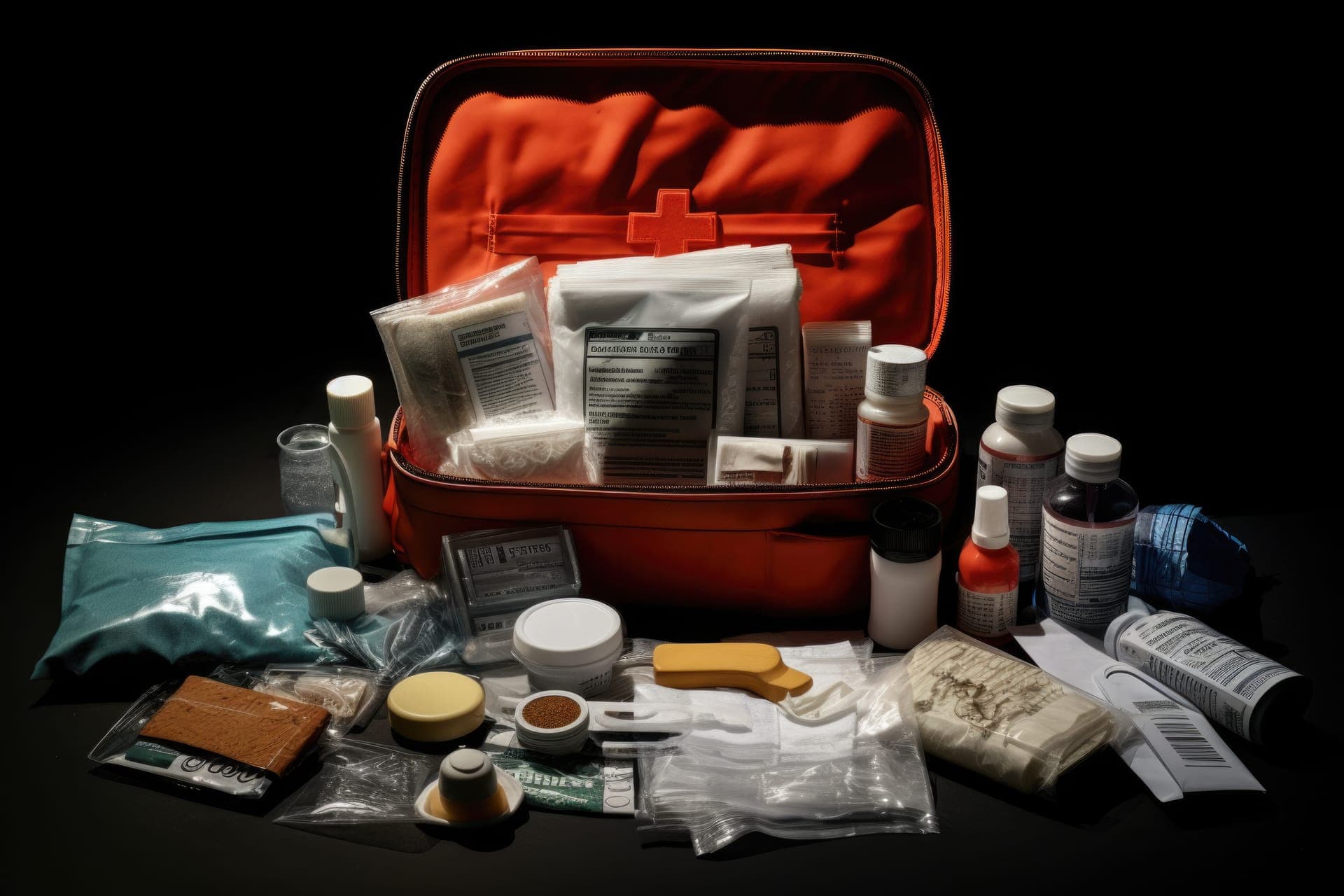
- small first aid items such as a blister plaster
These items belong at the top of your bag, in a top compartment or in an outer pocket that is quickly accessible. The idea is simple: if you are likely to grab something while walking or at a short stop, it should not be hidden deep down.
For many people this is where it goes wrong. They pack their backpack efficiently, but not practically. As a result everything is neat, but not logical in use. For your small first aid items it helps to know what belongs in a compact first aid kit.
2. Things you need now and then
Some things you do not use constantly, but with some regularity. So they do not have to be right at the front, but also not deep at the bottom.
Think of:
- lunch
- an extra clothing layer
- gloves or a hat depending on the weather
- an organiser with small essentials
- coffee gear for a planned break
- power bank
These things are best stored in the middle of the bag. They need to stay reachable, but do not have to take priority over things you want to be able to grab straight away on the go.
3. Things that mainly come along as a reserve
These are things you bring for certainty, but hopefully use little or not at all during your trip.
Think of:
- extra socks
- spare accessories
- less frequently used care items
- back-up items
These can go deeper in the bag or at the bottom. There is little point in giving such things space in the best spots if you probably will not need them straight away.
What belongs at the top of your backpack?
The top of your backpack is ideal for things you want to be able to grab quickly as soon as the weather changes or you stop for a moment.
At the top, the following usually work well:
- rain layer
- snack
- cap or gloves
- compact first aid set
- sunscreen
- keys or small essentials in a separate pocket
The advantage of storing things at the top is not only speed. It also prevents you from causing unnecessary unrest in your backpack on the go by constantly moving everything around.
What belongs close to your back?
If you carry heavier or more compact items, it is usually pleasant to place them closer to your back. That helps keep the weight more stable and prevents the backpack from pulling or sagging.
Think for example of:
- a filled water solution
- a compactly organised lunch
- heavier accessories
- an organiser or pouch with a bit more content
This does not have to become technically complicated. The basics are simple: heavier items are better placed stably and centrally than loose on the outside or far from your back. Which water solution on the go is handy depends on your trip.
What should you better not put loose in your backpack?
A backpack quickly becomes cluttered when small items disappear loose into the main compartment. That applies especially to:
- cables
- keys
- plasters
- cards
- small tools
- coffee supplies
- care items
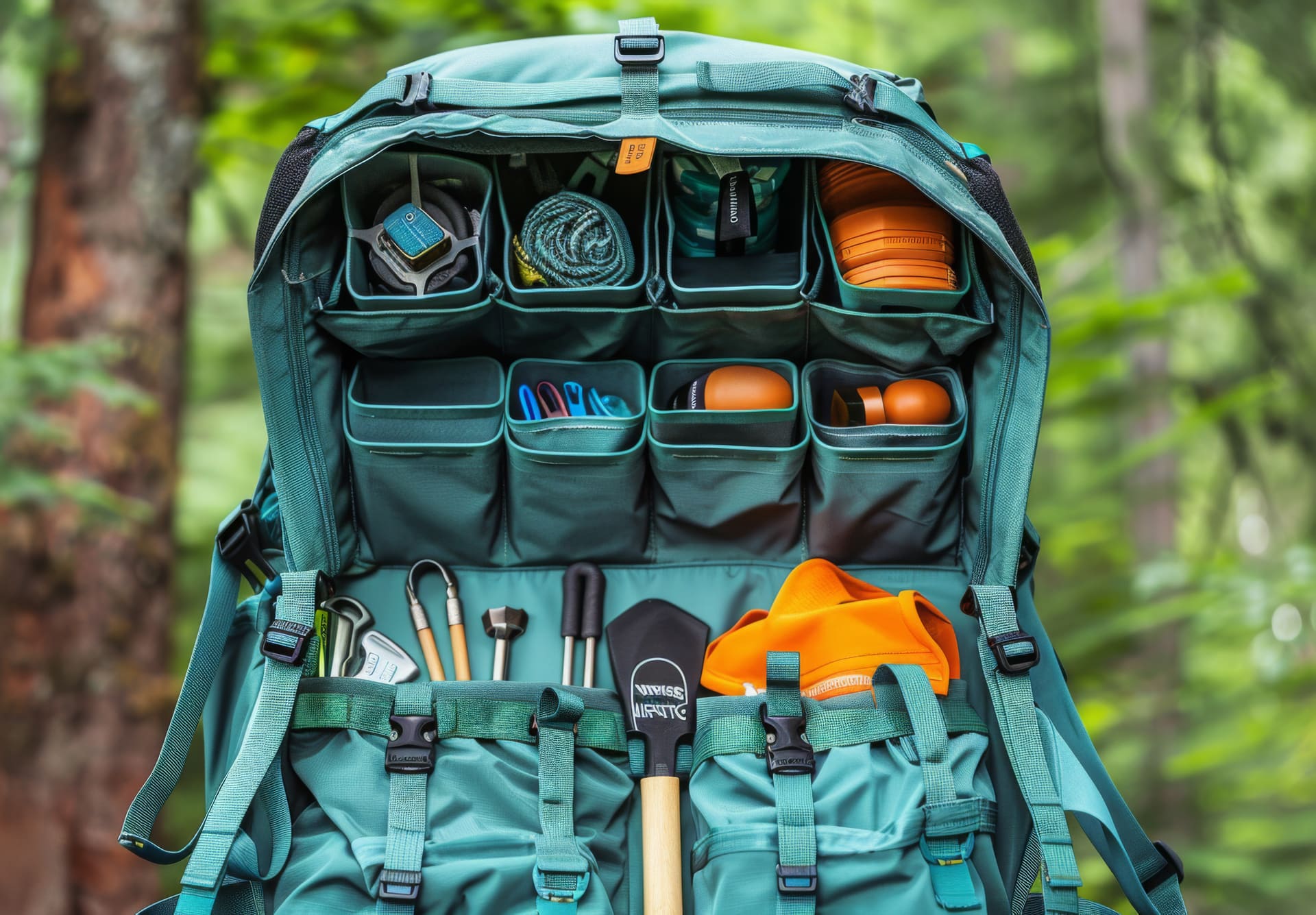
Better use a small separate pocket, a pouch or a fixed layout per item. Not to make everything extra complex, but precisely to prevent searching.
A backpack with many compartments only helps if you also use those compartments deliberately. Otherwise you get a lot of storage space, but still little clarity.
How to prevent your backpack from becoming too full and awkward
A smart layout starts not only with organising, but also with leaving things out. Many people bring just a bit too much, which makes a backpack unnecessarily full and immediately makes the layout work less well.
Ask yourself with each item:
- am I likely to actually use this?
- does this need to be quickly accessible on the go?
- can this be smaller, lighter or more compact?
- am I bringing this out of habit or out of usefulness?
No excess, but gear and choices that make sense in practice.
A practical layout for a day trip
For a day trip, this basic layout often works well:
Outer pockets or quick access
- water bottle or water solution
- snack
- map or phone
- sunscreen
- rain layer
Main compartment - upper part
- lunch
- extra clothing layer
- small medical kit
- coffee mug or compact coffee gear
Main compartment - middle against the back
- heavier items
- compact organiser
- power bank
- items that need to stay stored stably
At the bottom or deeper in the bag
- spare clothing
- extra socks
- things you mainly bring as a back-up
This layout does not have to be exactly the same for everyone. It is about the logic being right: quickly accessible where needed, stored stably where that is smarter. A complete day trip packing list helps you decide what should go in anyway.
A practical layout for travel or road trips
For travel the emphasis lies a bit differently. Then it is less about walking and more about clarity, quick access and efficient organisation.
Handy for travel:
- documents and small essentials separate
- water and snacks quickly accessible
- chargers and small accessories in a separate pouch
- clothing or larger items grouped
- things for the go not hidden under travel items
Precisely while travelling you notice how pleasant it is when you do not have to go through everything each time for something small.

Outdoor backpack or tactical backpack: does that make a difference for the layout?
Yes, but less than many people think.
An outdoor backpack is often focused on carrying comfort, speed and practical accessibility during hiking or longer movement. A tactical backpack often puts more emphasis on compartment layout, robustness and modular organisation.
In both cases the basics stay the same:
- quick access for frequently used items
- a stable place for heavier items
- separate storage for small essentials
- no loose chaos in the main compartment
So the difference lies mainly in how a backpack helps you with that, not in a completely different logic of packing. Feel free to compare the outdoor backpacks and tactical backpacks to see what fits your use.

Common mistakes when organising a backpack
Putting everything at the bottom
That seems tidy, but makes your backpack impractical on the go.
Bringing too many small items loose
As a result you lose clarity.
Not using a fixed place per type of item
If your things are somewhere different each time, you have to search all over again every time.
Tucking away important items too deep
Water, snacks, rain protection and small first aid items are things you want to be able to grab quickly.
Choosing many compartments without a system
More compartments does not automatically mean more clarity. Only a logical layout makes a backpack really practical.
Which gear helps with a better backpack layout?
A smart backpack layout starts with your own choices, but the right gear does help.
Think of:
- a backpack with logical compartments
- a water solution that is quickly accessible
- a compact medical kit
- an insulated mug or coffee gear that does not wander loose
- small organisers for essentials
Summary: organising a backpack smartly is about clarity in use
Organising a backpack smartly does not mean that everything has to be tucked away as tightly as possible. It means that you think in advance about what you need on the go, what has less priority and how to prevent constantly having to search.
The best layout is usually simple:
- quickly accessible items at the top or in outer pockets
- regularly used items centrally in the bag
- reserve items at the bottom or stored deeper
- small essentials separate and clearly organised
Anyone who organises their backpack this way mainly notices one thing on the go: less hassle and more calm.
Frequently asked questions
How do you organise a backpack smartly?
You organise a backpack smartly by arranging things by when you use them. What you need quickly goes at the top or in an outer pocket. What you use less often can go deeper in the bag.
What should go at the top of a backpack?
At the top usually belong things you want to be able to grab quickly on the go, such as a rain jacket, snack, sunscreen, small first aid items or an extra layer.
Where do you put heavy items in a backpack?
Heavier items are best placed stably and centrally in the bag, preferably closer to your back. That keeps the backpack more comfortably balanced.
How do you prevent chaos in your backpack?
Use fixed places for important things, do not bring small items loose and only put in your bag what you really need for your trip or journey.
What is better: an outdoor backpack or tactical backpack?
That depends on your use. Outdoor backpacks are often focused on carrying comfort and accessibility during hiking. Tactical backpacks are often stronger on layout and robust organisation. In both cases a logical layout remains important.
Want to organise your backpack more smartly with gear that works logically in use? Check out the selection and choose what fits your use.
Outdoor backpacks → | Tactical backpacks → | Medical kits → | Water bottles & water carriers → | Coffee on the go →