A day trip does not have to be complicated, but setting off well prepared does make a difference on the go. Bringing too little is awkward when the weather turns or when you are out longer than planned. Bringing too much also works against you. A backpack that is too heavy walks less pleasantly, especially on longer routes or in warm weather.
The best packing list for a day trip is therefore not about bringing as many things as possible. It is about bringing the right things. What you need depends on the route, the weather, the duration of your trip and how self-sufficient you want to be on the go.
In this blog you will read what you want to have in your backpack as standard for a day trip, which extras can be smart and how to prevent dragging along unnecessarily much.
Why a good packing list for a day trip is important
A day trip often sounds manageable. You are back the same day, the route seems doable and it feels less intensive than a multi-day trip. Yet it is precisely during day trips that many practical problems arise from small things that are missing.
Think of:
- too little water
- no extra clothing layer in wind or rain
- no small first aid set for blisters or grazes
- no food or snacks for the go
- loose items that disappear deep into your bag
A good packing list helps you to:
- walk more comfortably
- be better prepared for minor setbacks
- keep clarity in your backpack
- only bring what is really useful
That also fits a practical approach to gear: no more than needed, but items you can rely on.
What determines what you bring?
There is no fixed packing list that is exactly the same for every day trip. These four factors mainly determine what you need:
The duration of your trip
For a two-hour walk you bring less than for a full day in nature. The longer you are out, the more important water, food and extra clothing become.
The weather
In warm weather the focus is more on hydration, sun protection and light clothing. In changeable or cool weather, an extra layer and rain protection are more important.
The environment
If you walk on well-marked paths close to built-up areas, you need less back-up than on a remote route with few facilities.
Your way of going out
Some people want to walk light and simple. Others find it pleasant to be a bit more prepared. Both can work well, as long as you pack deliberately.
The basic packing list for a day trip
The list below is a good basis for most day trips.

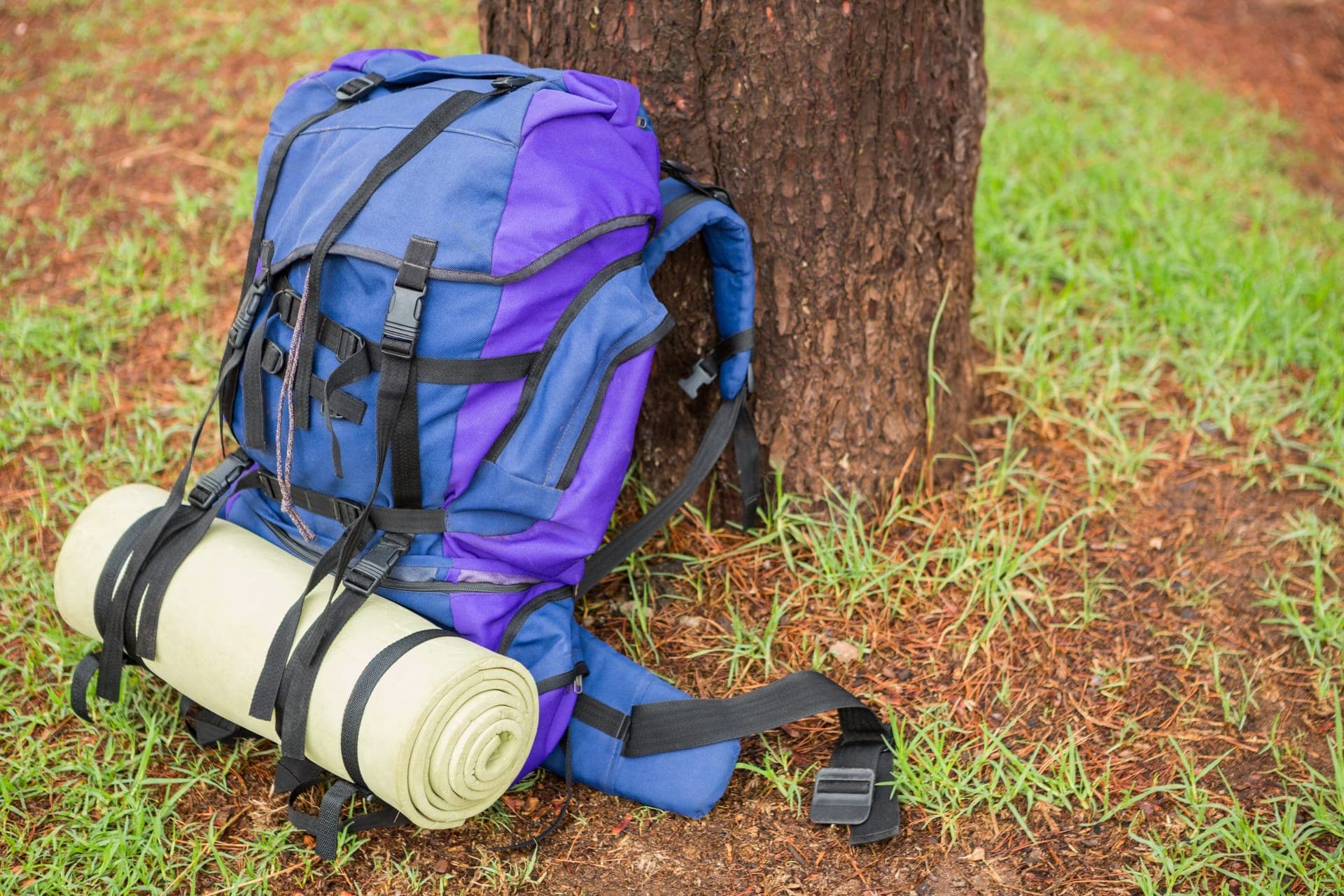
1. A comfortable backpack
Everything starts with a backpack that works logically for your use. For a day trip you usually do not want a large trekking backpack, but a compact model that carries comfortably, offers enough room and keeps clarity.
Pay particular attention to:
- enough room for water, food and extra clothing
- comfortable shoulder straps
- a practical compartment layout
- quick access to items you often need
A backpack with an awkward layout often leaves you searching on the go. Precisely on a day trip you want to be able to reach water, snacks, a jacket or a small first aid set quickly.
Check out our outdoor backpacks or tactical backpacks.
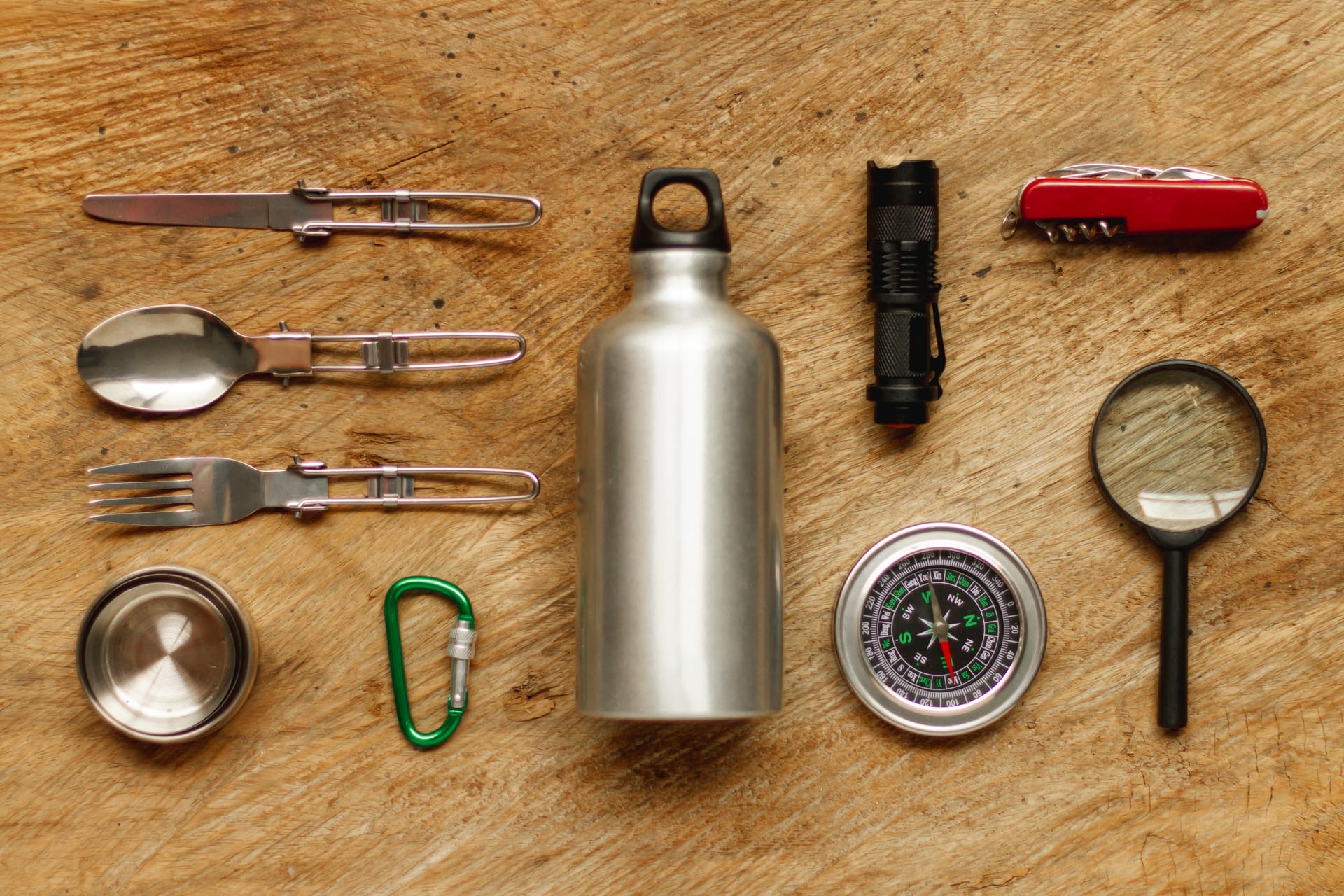
2. Water or a hydration system
Bringing enough to drink is one of the most important parts of your packing list. How much water you need depends on temperature, effort and route, but bringing too little is one of the most common mistakes.
Practically speaking, you usually have two logical options:
- a water bottle
- a hydration bladder or hydration system
A water bottle is simple, robust and quick to refill. A hydration bladder can be more pleasant if you want to drink easily while walking without stopping each time.
What works best for you depends on how you walk and how much convenience you want on the go. More important than the choice itself is that you bring enough and that your solution works practically in use.
Check out our water bottles and water carriers. Also read our blog carrying water on the go: bottle or hydration bladder?
3. Food and snacks
Even on a shorter day trip, something to eat is smart. Certainly if you walk longer, have elevation differences or have few options to buy something on the go.
Preferably bring:
- something that gives quick energy
- something that is easy to eat on the go
- something that can take a knock in your bag
Think of bars, nuts, dried fruit or a simple lunch. Choose food that is practical above all and that you can bring without hassle.
4. An extra clothing layer
Even if the starting point feels warm, it can get cooler on the go through wind, shade, elevation difference or a change in the weather. An extra layer does not have to be heavy or large, but does make a difference when you stand still, pause or are surprised by the weather.
For many day trips an extra fleece, light jacket or rain layer is a logical choice. Not because you always need it, but because without such a layer you experience discomfort sooner when conditions change.
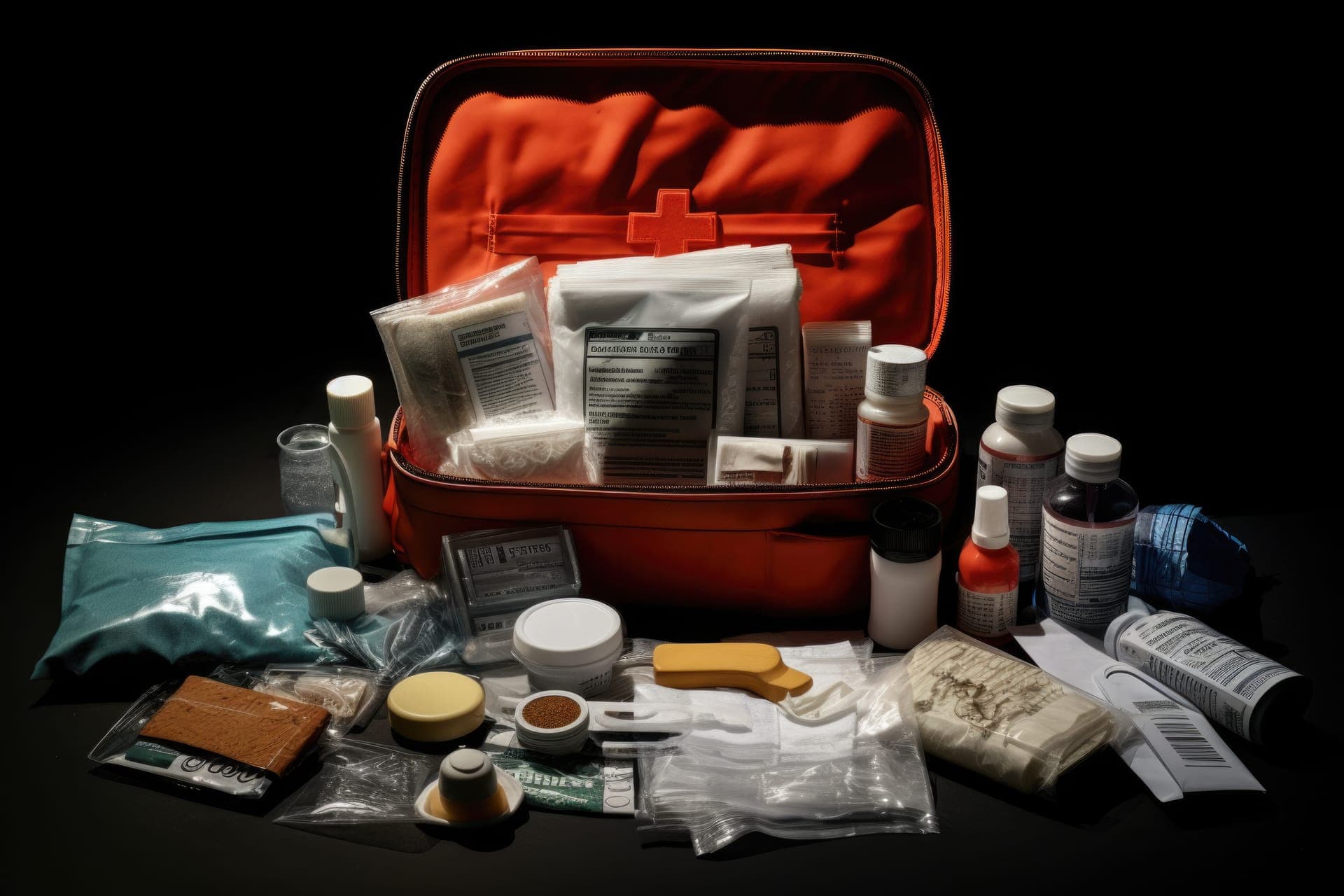
5. A compact first aid kit
For a day trip you do not need to bring extensive medical equipment, but a small, clearly organised first aid kit is wise. Precisely with minor discomforts that makes the difference between being able to walk on or having to cut a trip short.
Think of:
- blister plasters
- regular plasters
- disinfecting wipes
- gauze pad or bandage
- tape or a small fixation option
The contents must stay compact, but logical for common problems on the go. Blisters, small cuts and grazes are simply more realistic than major emergency scenarios.
Check out our medical kits or read our blog about a compact first aid kit for the go.
Often further from help? Consider a compact IFAK trauma kit alongside your standard first aid set.
6. Your phone and basic navigation
For many people a smartphone is now enough for route information, maps and emergency contact. Still, it is smart not to be too casual about it. Make sure your phone has enough battery and that you have saved important route data in advance if needed.
On longer or quieter routes a power bank or simple back-up can give extra certainty, but that depends on the duration and conditions of your trip.
7. Keys, wallet and identification
These items seem obvious, but often end up loose at the bottom of the bag. A small separate pocket or organiser prevents searching and immediately makes your backpack clearer.
Handy extras depending on weather and route
The basics above are enough for many day trips. In some situations these extras are smart.
Rain protection
In changeable weather a rain jacket or rain cover for your bag is useful. Not because every route ends wet, but because rain on the go quickly affects your comfort.
Sun protection
In sunny weather these are often logical additions:
- sunscreen
- cap or hat
- sunglasses
Power bank
For longer day trips or routes where you use navigation intensively, a compact power bank can be useful.
Small seat pad or light comfort option
Not necessary, but sometimes pleasant if you pause longer or sit on wet ground.
Coffee for the go
Not essential, but a pleasant addition for many people. Especially on early starts, quiet breaks or longer drives to a walking area, coffee on the go can be a practical comfort moment. Then you mainly want something that is compact, gives little hassle and is logical to bring.
Check out our selection for coffee on the go.
What can you better leave at home?
A good packing list is not only about what has to come along, but also about what you do not need.
Many backpacks become unnecessarily heavy through:
- duplicate items
- "just in case" items without a realistic reason
- loose accessories that add nothing on the go
- too much food or drink for a short route
- large organisers instead of a compact, logical layout
The question is not: what could I possibly use someday?
The better question is: what really helps me today during this trip?
That difference keeps your backpack lighter, clearer and more pleasant in use.
How do you organise your backpack smartly?
What you bring is important, but how you pack it too. A good layout prevents frustration on the go.
Use this simple division:
Quickly accessible
Put at the top or in an outer pocket:
- water
- snacks
- phone
- rain layer
- sunscreen
- small first aid items you want to be able to grab straight away
Middle of the bag
Here you can put things you do need, but grab less often:
- lunch
- extra clothing layer
- organiser with small essentials
Deeper or at the bottom
Here you can put things that mainly serve as a reserve:
- extra socks
- power bank
- less frequently used accessories
The logic is simple: things you often need on the go should not be hidden at the bottom of your backpack.
Example of a practical packing list for a day trip
Below is a balanced basic list for an average day trip:
- day backpack
- water bottle or hydration bladder
- snacks and a simple lunch
- extra clothing layer
- rain layer in changeable weather
- compact first aid kit
- phone
- keys
- wallet or cards
- sunscreen or cap in sunny weather
- power bank on longer routes
That is more than enough for many people. Not an overfull bag, but the items that make the difference in practice.
Common mistakes when packing for a day trip
Thinking too big
A day trip is not a multi-day trek. Many people bring too much out of uncertainty, which makes the bag heavier and less practical.
Bringing too little water
Precisely on shorter trips, hydration is often underestimated.
Paying no attention to minor discomforts
Blisters, rain and temperature changes seem small, but quickly affect your trip.
A poor layout of the bag
Even with the right items, a trip becomes awkward if everything is loose or unreachable in the bag.
Choosing items based on specs instead of use
In practice, gear that works logically for your situation is more useful than extra functions you never use. That is precisely why a thoughtful selection is more valuable than a long list of possibilities.
Which gear really helps during a day trip?
For a day trip you usually do not need extreme equipment. You mainly benefit from items that:
- feel reliable
- work logically
- give clarity
- can take normal intensive use
- fit how you go out
That applies to a backpack, a water solution and a compact first aid set just as much as to small accessories. The less friction you have in use, the more pleasantly your day trip goes.
Summary: what do you bring on a day trip?
A good packing list for a day trip is practical, not excessive. The core usually consists of:
- a comfortable backpack
- enough water
- food or snacks
- an extra clothing layer
- a compact first aid kit
- basic navigation and personal items
You only add something to that if it fits the route, the weather or your way of going out.
Setting off well prepared does not mean you have to walk heavily loaded. It means that you deliberately choose what you bring - and why.
Frequently asked questions
What do you bring on a day trip?
For a day trip you usually bring: a backpack, water, food or snacks, an extra clothing layer, a compact first aid kit, your phone and personal items.
How much water do you bring on a day trip?
That depends on the temperature, the duration of your trip and the effort. What matters is that you do not plan too tightly and choose a drinking solution that works practically on the go.
Do you need a first aid kit for a day walk?
Yes, a compact first aid kit is smart for minor discomforts such as blisters, grazes or small cuts. You do not need to bring a large kit, but a small basic set is wise.
Which backpack is suitable for a day trip?
A good backpack for a day trip offers enough room for water, food, extra clothing and small essentials, without being unnecessarily large. Comfort and a logical layout are important here.
What should you not bring on a day trip?
Do not bring items you probably will not use, that are duplicates or only add weight without practical benefit. A lighter, logically organised backpack walks more pleasantly.
Want to prepare your day trip more smartly with gear that works logically in use? Check out the RidgeFront Gear selection.
Outdoor backpacks → | Tactical backpacks → | Water bottles & water carriers → | Medical kits →