Anyone who starts walking soon runs into the same questions: how far to walk as a beginner, how fast to go and how quickly to build up? This piece gives concrete answers, with numbers you can work with. Not a race plan, but something to hold on to, so you know where you stand.
We leave gear and packing lists aside here. It is about three things: the distance you start with, the pace you keep and the way you extend both week by week.
How far to walk as a beginner?
A good first walk is 3 to 5 kilometres on a flat, paved or semi-paved path. That is roughly an hour of walking, including a short stop. If you move little, start at the low end; if you cycle every day or spend a lot of time on your feet, you can start higher.
Choose the distance by how you feel the next day, not by what you can just manage today. Mild muscle soreness in your calves or thighs is normal. Pain in a joint, a knee that acts up or a foot that keeps nagging is a sign to go shorter next time.
Starting distances as a guide
- not used to much exercise: 2 to 3 kilometres
- active every day, but not a walker: 4 to 6 kilometres
- sporty, but new to unpaved paths: 6 to 8 kilometres
What pace should you walk at?
On a flat path an adult walks a relaxed 4 to 5 kilometres per hour. As a beginner, work with 4: that leaves room for a stop, a photo or a sandy stretch. A simple test keeps your pace in check: you should still be able to speak in full sentences. If you cannot, you are going too fast.
The terrain changes the sum. On loose sand, through mud or on a path full of roots you soon drop to 3 kilometres per hour. In hilly country, add about 10 minutes to your walking time for every 100 metres of climbing. That way a route of 8 kilometres does not suddenly turn out to take three hours.
How to estimate your walking time
- divide the distance by 4 for the number of hours on flat terrain
- add 10 minutes for every 100 metres of climbing
- add 10 minutes of rest for every hour of walking
An example: 8 kilometres with 100 metres of climbing is 2 hours of walking, plus 10 minutes for the climb and 20 minutes of rest. So plan on 2.5 hours.
How fast should you build up?

Build up in small steps: add 1 to 2 kilometres per week to your longest walk. Walk two to three times a week, with one walk a little longer. The short loops do more than you think: they get your feet, your ankles and your fitness used to walking, without you coming home exhausted.
Every fourth week, slot in an easier week at the distance of two weeks earlier. The next step then feels lighter. If a week goes less well, repeat that week instead of pushing on.
A six-week build-up plan
- week 1: twice 3 kilometres
- week 2: twice 3 kilometres and once 4 kilometres
- week 3: twice 4 kilometres and once 6 kilometres
- week 4: easier, twice 4 kilometres
- week 5: twice 4 kilometres and once 8 kilometres
- week 6: twice 5 kilometres and once 10 kilometres
If you start higher or lower, shift the plan accordingly. After six weeks you walk 10 kilometres, which puts many waymarked circular walks within reach.
A route that matches your distance

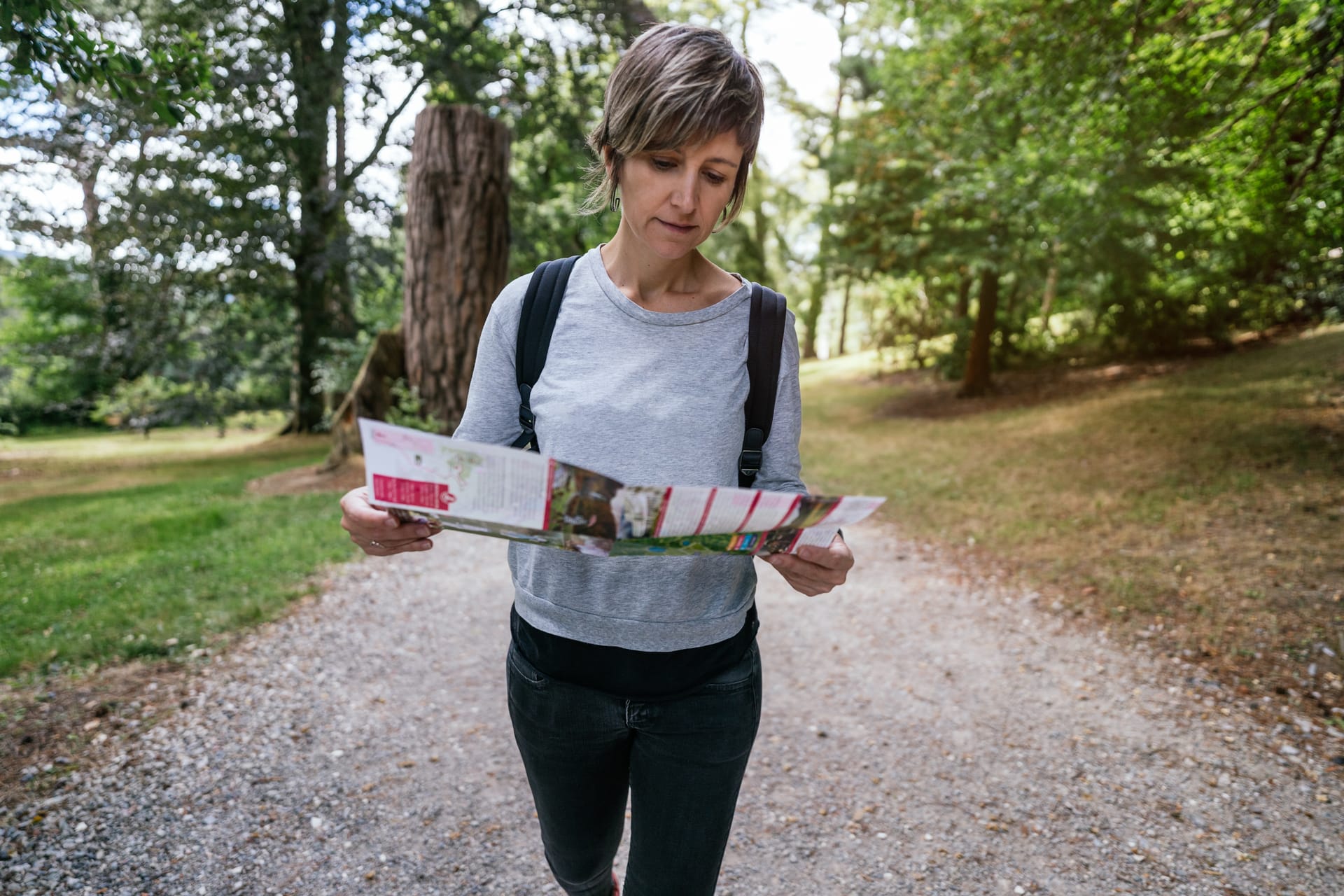
Look for a route at the distance you are walking that week, not at what looks nice. Waymarked circular walks usually state their length, and with a node network you add up the distances between the nodes. That way you can make a loop of exactly 4 or 6 kilometres.
Besides the length, look at the surface and the height difference. A route with a lot of sand or climbing is harder than the number of kilometres suggests. On longer walks, keep a shorter way back in mind, so you can cut it short if it goes less well.
Signs you are going too fast
Your body tells you when the build-up is going too fast. If you recognise one of these signs, go back a week in your plan:
- you are still tired or stiff the day after a walk
- you keep getting a blister or pressure point in the same spot
- a knee, ankle or hip hurts during or after walking
- you dread the next walk
If pain lasts longer than a few days or gets worse, have it checked by a GP or physiotherapist.
Keeping it up with a fixed rhythm
A fixed day and a fixed time turn walking into a habit. Put your walks in your diary like an appointment and note each week how many kilometres you walked. That way you see in black and white that you are making progress, even in a week that felt less good.
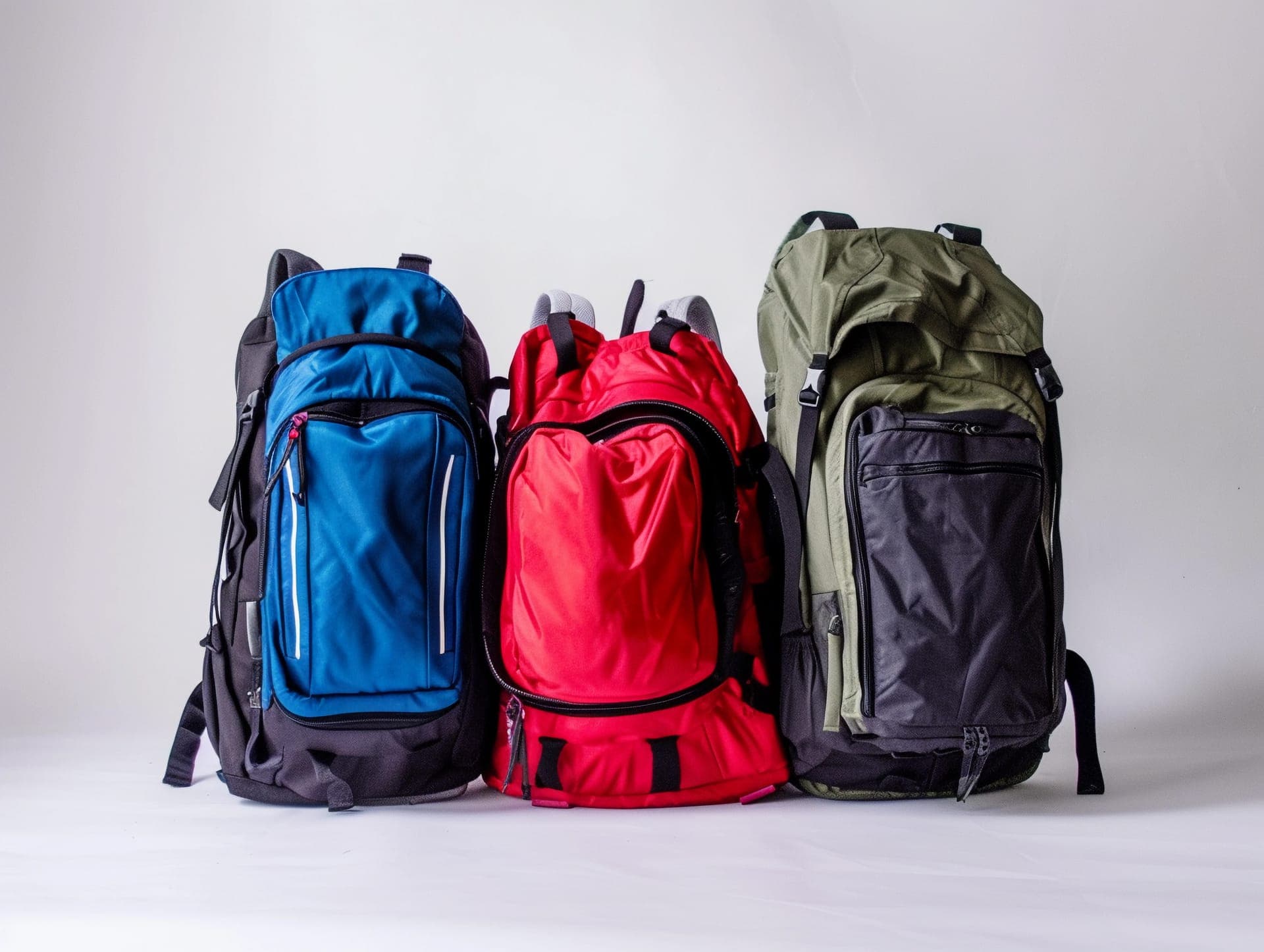
Once your walks last longer than a few hours, you carry more and the backpack counts for more. How size, fit and carrying system together determine how a bag carries is covered in the buying guide on which backpack suits your use. You will find the backpacks themselves among the outdoor backpacks.
Frequently asked questions
How far should you walk as a beginner?
Start with 3 to 5 kilometres on a flat path, roughly an hour of walking. If you are not used to much exercise, 2 to 3 kilometres is a good start. Then add 1 to 2 kilometres per week to your longest walk, as long as you feel fine the next day.
How fast does a beginner walk on average?
On a flat path you walk a relaxed 4 to 5 kilometres per hour. As a beginner, work with 4 kilometres per hour, and with 3 on sand, mud or in hilly country. Add about 10 minutes for every 100 metres of climbing and plan 10 minutes of rest per hour of walking.
How long does it take before you can walk 10 kilometres?
With two to three walks a week and a build-up of 1 to 2 kilometres per week, you walk 10 kilometres after about six weeks. If you start fitter, it goes faster. If you are still in pain the next day, repeat a week.
Ready to head out more often? Start with a backpack that grows with your walks.