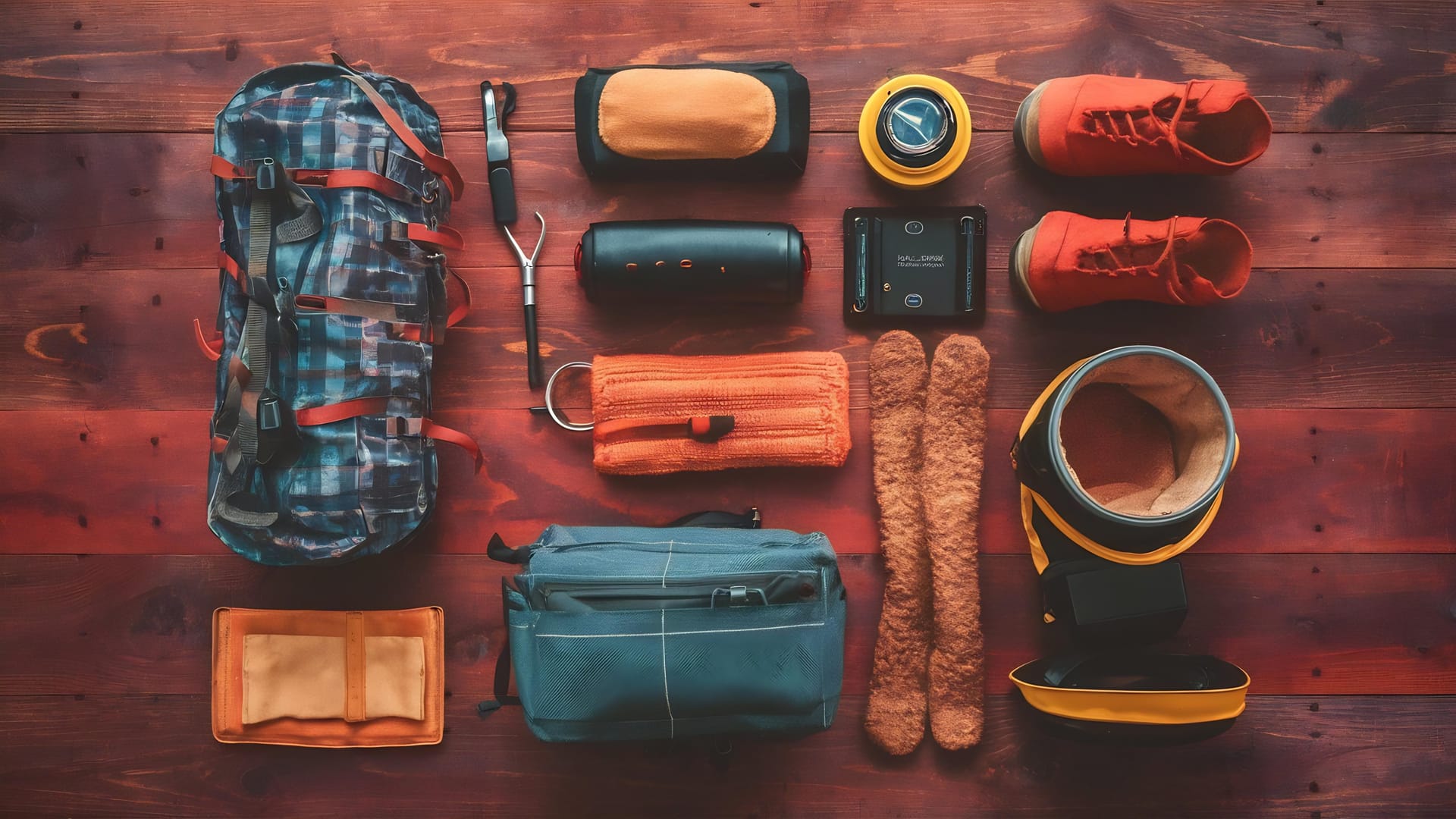
When you start walking, your backpack is the piece of gear you notice most. It carries everything you bring and sits on your back the whole walk, so you feel a wrong choice every kilometre. At the same time, as a beginner you do not have to buy the largest or most expensive bag straight away. This overview helps you choose what you really need to start walking.
We keep it to the entry-level angle here: which backpack suits day walks when you are just starting. We deliberately leave the deeper choice between all sizes and carry systems aside; for that we point you to the broader buying guide at the bottom. First we make sure you make a sensible first choice.
Which backpack do you need to start?

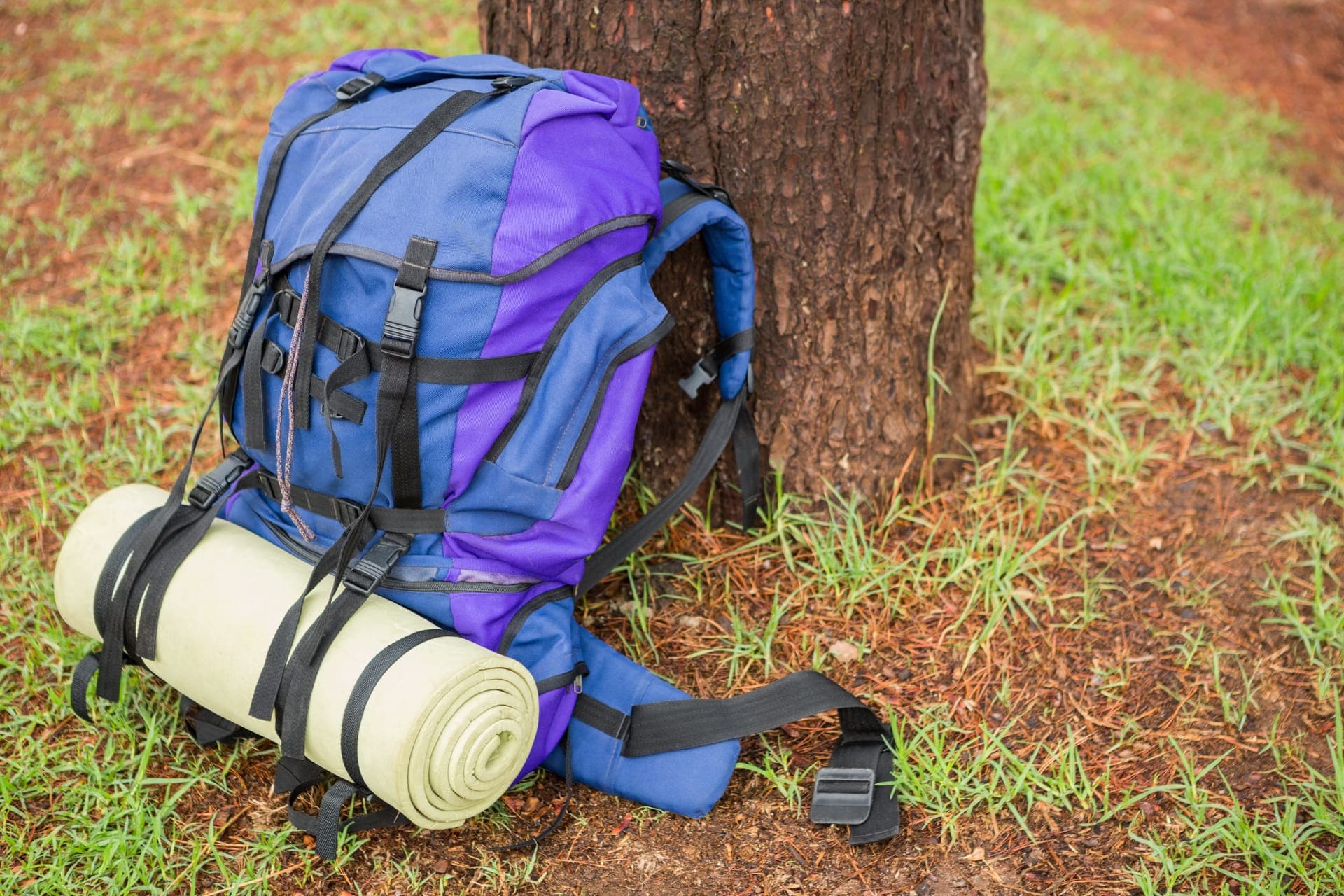
For day walks as a beginner you do not need a large trekking pack. A bag with enough room for water, a lunch, a rain jacket and some small items is more than enough for most day trips. A too-large backpack also tempts you to take more than you need, and you carry that around all day.
The rule of thumb for the start is: choose a bag that suits what you actually take for a day, not what might ever be the case. If you start with short walks, a compact daypack is a logical first choice. If you later walk larger or multi-day routes, you look again; by then you know better what you use.
What do you look for in carrying?

A backpack that carries well feels light even with weight in it. That mainly depends on how the bag sits on your body. With a first walking backpack, look for a few practical points:
- adjustable shoulder straps so the bag sits close to your back
- a hip belt that brings part of the weight onto your hips instead of your shoulders
- a back that does not feel too warm, pleasant on longer walks
- easily reachable compartments for water, snacks and your rain jacket
The most important thing is that the bag fits your back well and that you can spread the weight. A simple bag that sits well carries more comfortably than an expensive bag that does not suit your back. Where you can, try a backpack with some weight in it; then you feel the difference right away.
Not the largest bag straight away
A common beginner mistake is buying a large backpack straight away just in case. In practice you then walk with a half-full bag that is heavier than needed. It is wiser to start with a size that suits your current walks and only scale up when your use really calls for it.
The size that suits you depends on what you do and how long you are out. Which backpack size suits which use, with the full trade-off between size, fit and carry system, is covered in the buying guide on which backpack suits your use. That overview goes into depth; use this article to make a sensible first choice and that buying guide to determine the right size. The backpacks themselves can be found at the outdoor backpacks.
Frequently asked questions
Which backpack do you need to start walking?
For day walks as a beginner, a compact daypack with room for water, a lunch, a rain jacket and some small items is usually enough. You do not need a large trekking pack for day trips. Choose a bag that suits what you actually take for a day and that sits well on your back.
What do you look for in a walking backpack?
Look for adjustable shoulder straps, a hip belt that brings weight onto your hips, a back that does not feel too warm and easily reachable compartments. Most important is that the bag fits your back and that you can spread the weight. A simple bag that sits well carries more comfortably than an expensive bag that does not fit.
How many litres should a walking backpack have?
That depends on what you take and how long you are out. For a day walk you generally need far less room than for a multi-day route. Start with a size that suits your current walks and only scale up when your use calls for it. The broader buying guide explains how size and use relate.
Looking for your first walking backpack? Take a look at the bags that suit a day out.