IFAK and first aid kit are often used interchangeably, while they are not the same. Anyone searching online comes across both terms and wonders which one is needed. In this article we explain the difference, without jargon, so that you make a choice that fits how and where you go out.

The short summary: it is not an either-or choice. The two cover different things and complement each other. Below you see exactly where the line lies.
What is a regular first aid kit?
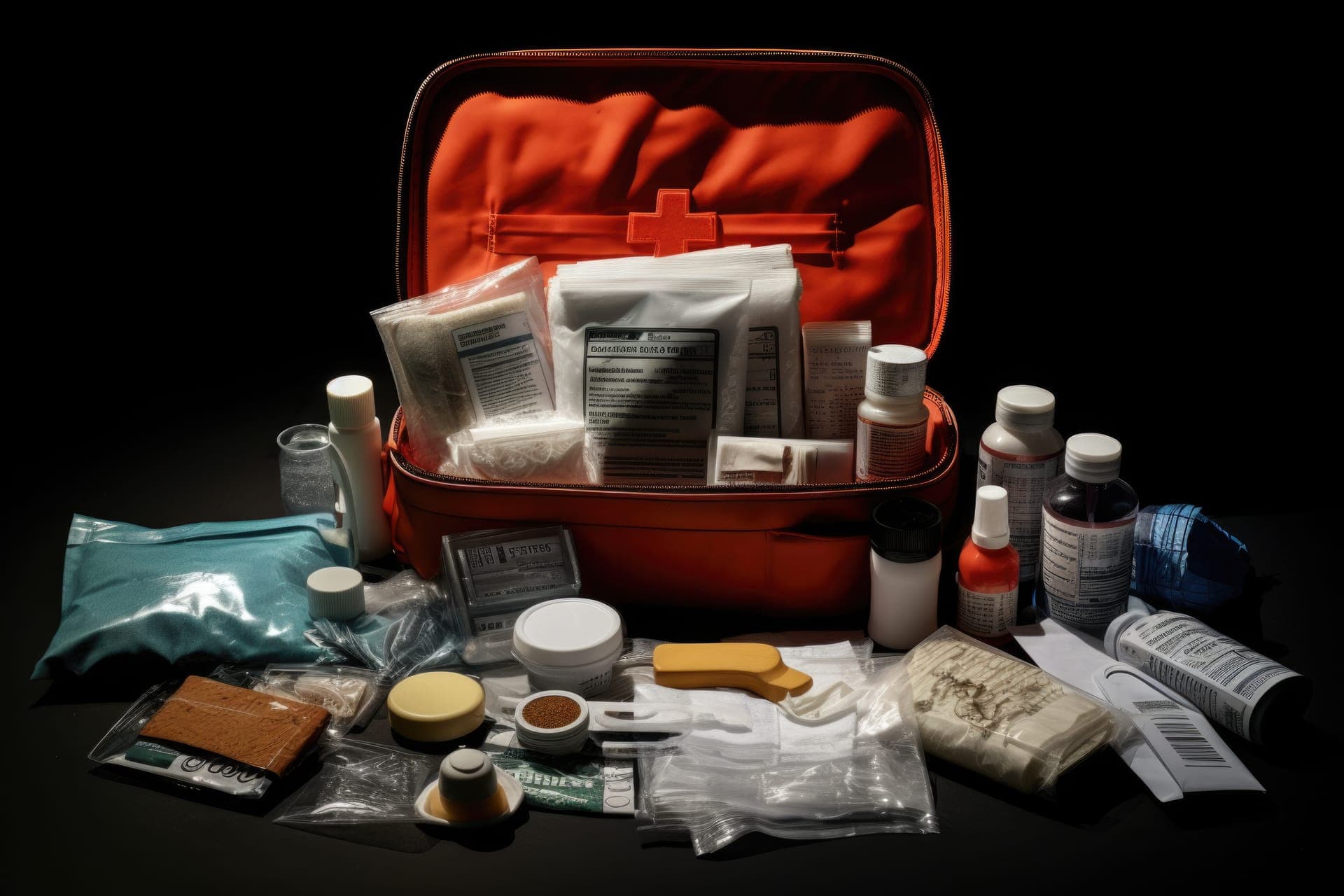
A regular first aid kit is aimed at the everyday issues you run into during a trip. Think of grazes, blisters, a splinter, a headache or a small cut. The contents usually consist of plasters, antiseptic wipes, blister plasters, tweezers, some gauze and simple painkillers.
It is the kit you take on almost every walk or day trip. Compact, broadly usable and aimed at comfort and small problems. If you want to know exactly what belongs in such a set, read what belongs in a compact first aid kit.
What is an IFAK?
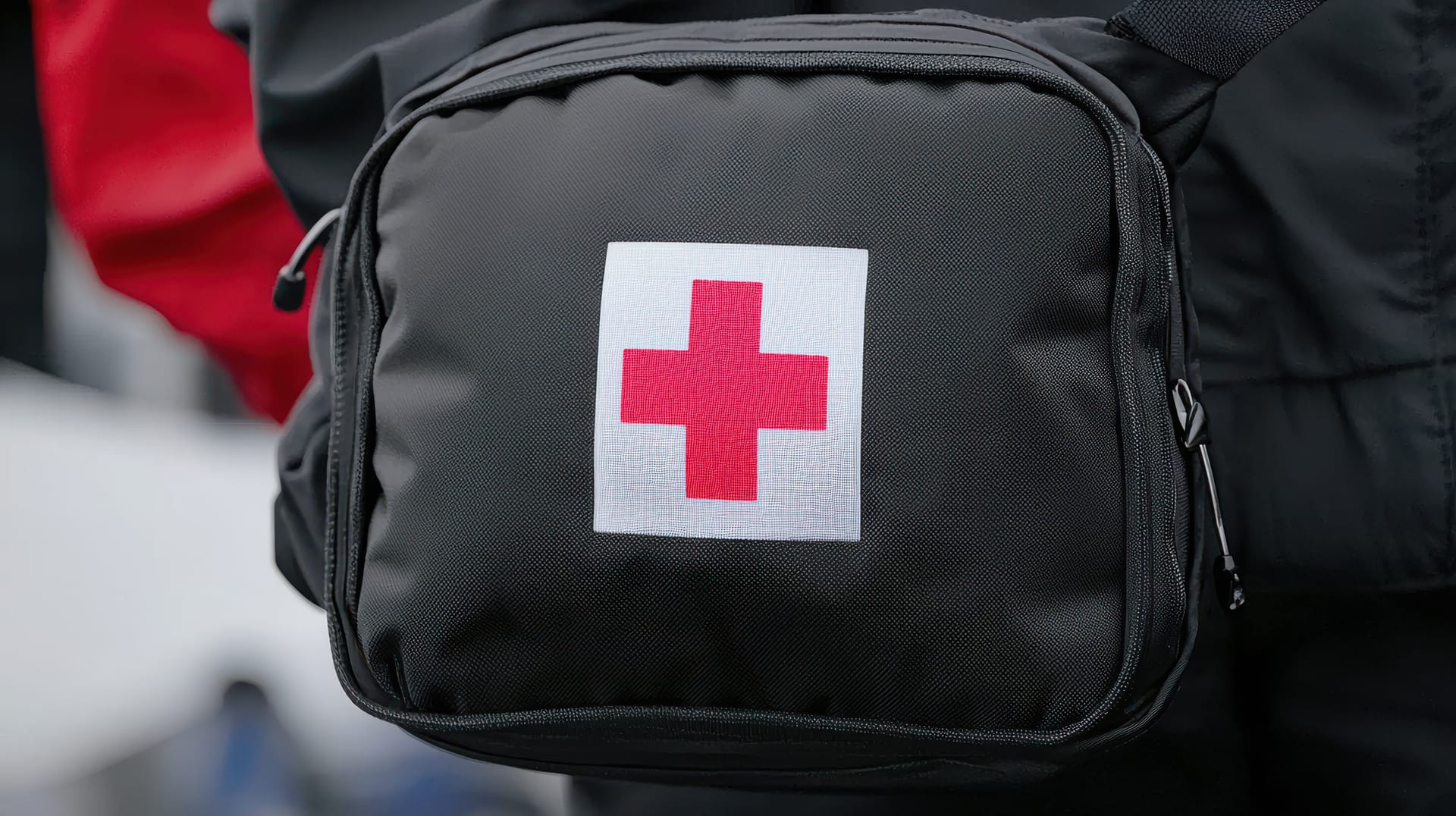
An IFAK, or Individual First Aid Kit, is aimed at serious injuries. The emphasis is on stopping bleeding and bridging the first minutes until professional help arrives. The contents are different: a tourniquet, a pressure bandage, hemostatic gauze, scissors to cut clothing and gloves.
Where a first aid kit handles a blister or graze, an IFAK is there for the scenario you would rather not face but want to be prepared for when you are further from help. Read more about the contents in what an IFAK is and what belongs in it.
The difference in a table
| Aspect | First aid kit | IFAK |
|---|---|---|
| Aimed at | minor issues | serious injuries |
| Typical contents | plasters, gauze, tweezers | tourniquet, pressure bandage, hemostatic gauze |
| Frequency of use | regular | rare but crucial |
| Knowledge needed | basic | extra training advised |
What do you really need?
For most day trips close to home a good first aid kit is enough. The chance of serious injury is small and help is usually quick to arrive. If you go further into nature, walk longer routes, head out alone or work with tools where heavy cuts are possible, then an IFAK is a sensible addition.
In practice it is often a combination: a first aid kit for the everyday things and an IFAK for the heavy scenario. What matters with an IFAK is that you know how to use the contents. A tourniquet without knowledge is worth less than a simple kit you do master.
If you want to look at the gear, you will find both categories in the medical kits, with the IFAK trauma kit as a focused option.

Frequently asked questions
What is the difference between an IFAK and a first aid kit?
A first aid kit targets minor issues such as grazes and blisters. An IFAK targets serious injuries and stopping bleeding. They complement each other.
What is the difference between an AFAK and an IFAK?
An IFAK is an individual kit for personal use. An AFAK is usually a more extensive kit that can handle more injury or several people. The basic idea is the same.
Do I need both?
For short trips close to home a first aid kit often suffices. If you go further, longer or into riskier terrain, an IFAK is a sensible addition to your first aid kit.
What is the difference between a basic and an extensive IFAK?
A basic IFAK holds the essentials to stop a bleed. An extensive kit adds extra dressings, tools and sometimes a rescue breathing mask for longer bridging.
Unsure between an IFAK and a regular first aid kit? Compare the sets and choose what fits your use.
IFAK trauma kit → | Survival trauma kit → | All medical kits →