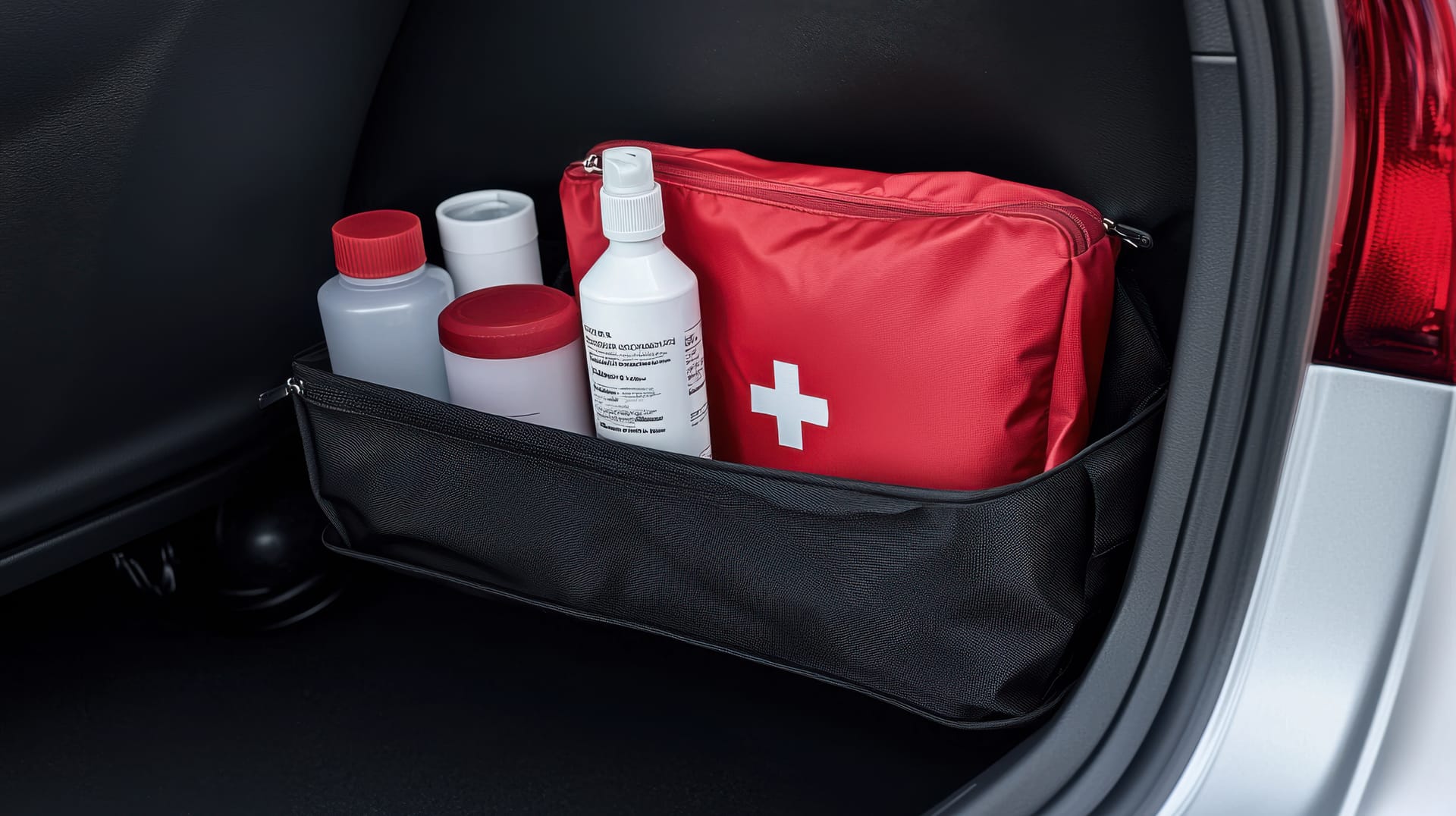
An IFAK is only useful if you have it with you the moment things go wrong. The finest kit in a cupboard at home helps no one on the road or on the trail. In this article we look at the practical side: where do you carry an IFAK, how do you keep it within reach and what works for different situations.

We assume you already know what an IFAK is. If not, first read what an IFAK is and what belongs in it. Here it is all about carrying it and keeping it within reach.
The core: within reach over complete
The most important principle is simple. An IFAK you can grab quickly with one hand, even under stress, is worth more than an extensive kit buried deep in your bag. With a serious bleed seconds count, and you do not want to empty your whole backpack first.
Always choose a fixed spot. An IFAK should sit in the same place, so that in an emergency you do not have to think about where it is. That goes for home, the car and your backpack.
IFAK in the car
In the car you relatively often run into injuries, from a collision to a cut during a breakdown. Yet an IFAK often sits hidden in the boot under other things.
Better is a spot you can reach from the driver's seat, for example in the door pocket, under the seat or in a holder on the seat back. Keep in mind that summer heat and winter cold can affect the contents, so check the kit a few times a year.
If you want to look more broadly at what else belongs in a car emergency kit, read what belongs in a car emergency kit.
IFAK in your backpack
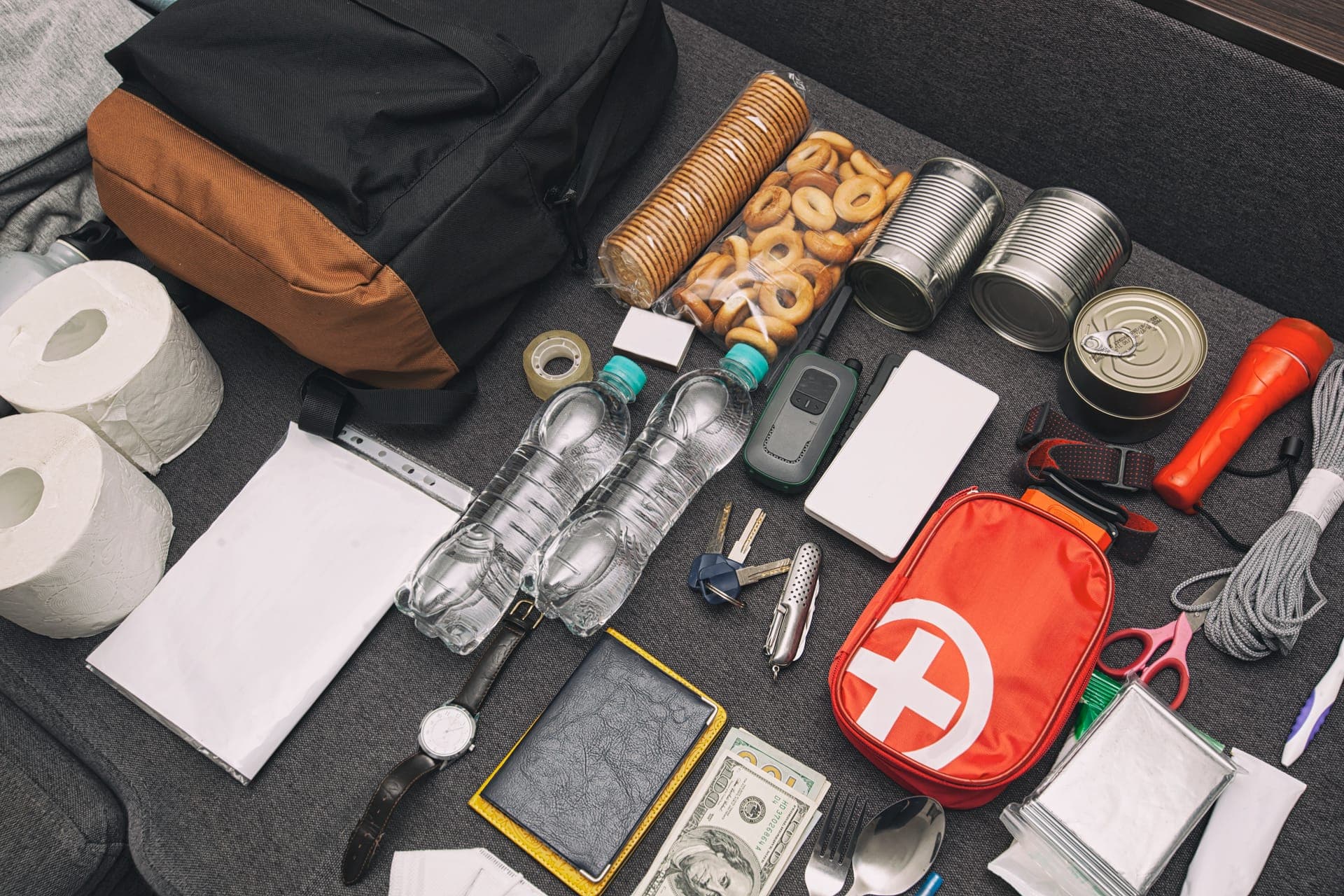
For anyone who hikes, cycles or heads into nature, the backpack is the logical place. Store the IFAK at the top or in an outer pocket, not at the bottom under your lunch and spare clothes. A separate, recognisable pouch helps: that way someone else can find it too if you are the one who needs help.
A good outdoor backpack with a separate top pocket makes this easier. Keep the IFAK separate from your regular first aid items, so you do not have to search under pressure.
IFAK every day with you
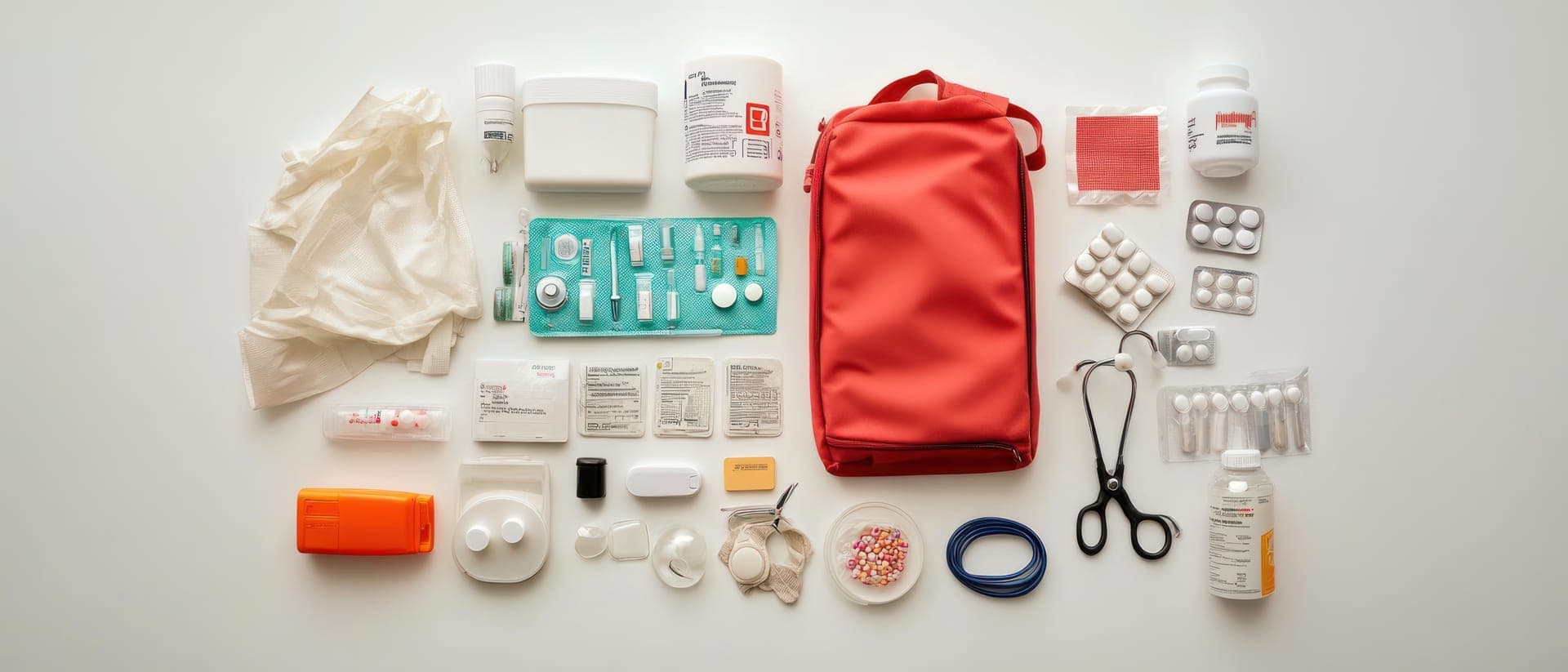
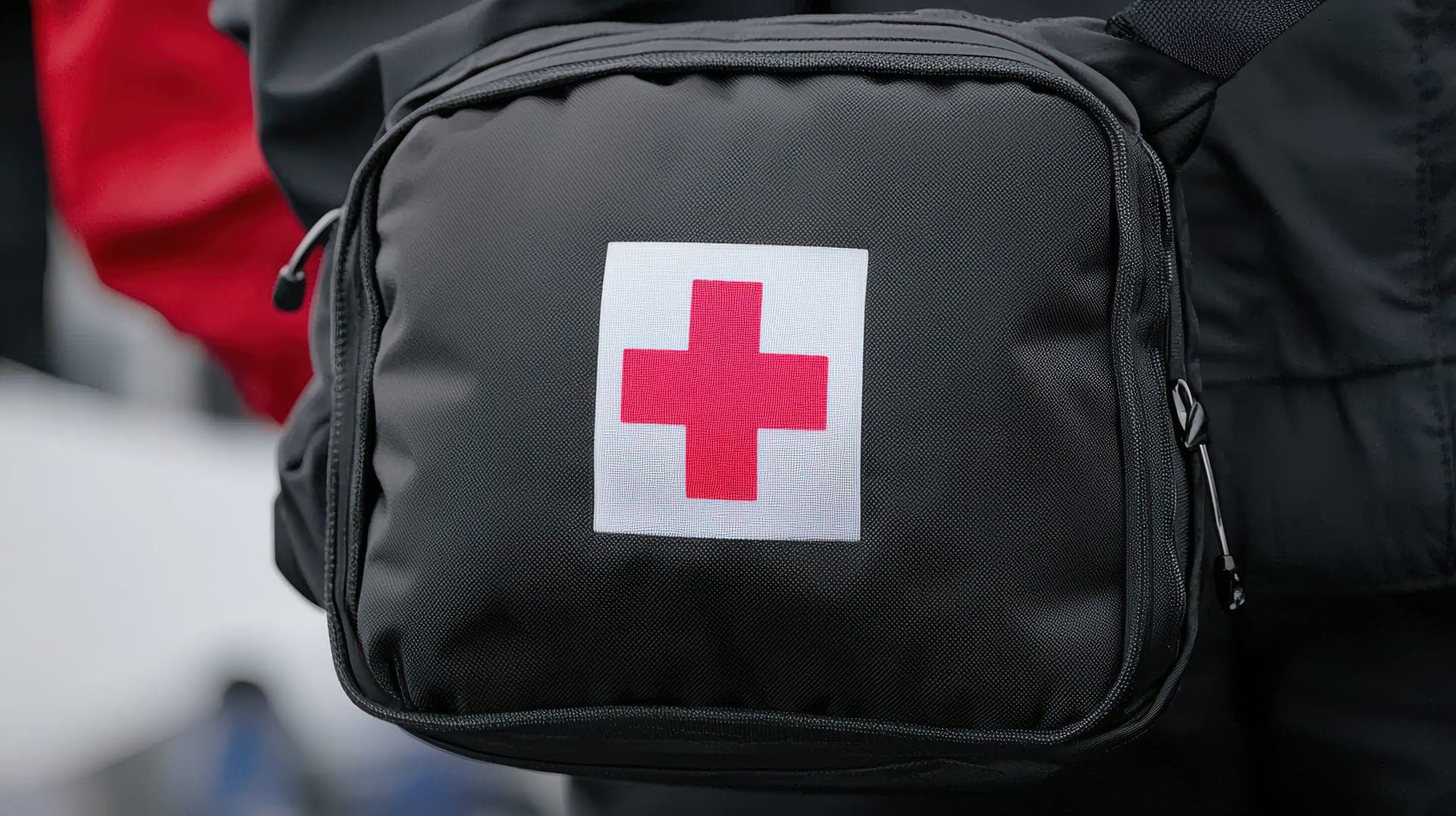
For daily use there is a more compact version that people often call EDC, meaning gear you carry every day. Such a mini IFAK fits in a jacket pocket, hip bag or small compartment and holds the essentials: something to stop a bleed, gauze and gloves. It is a trade-off between size and contents, because the smaller the kit, the more limited what fits in it.
The practical question here is: what will you realistically carry every day? A kit that is too big ends up at home, and then it does you no good.
Maintenance and checks
Wherever you carry your IFAK, check it regularly. Dressings can get dirty, tape can dry out and some parts have an expiry date. Make it a habit to open, check and restock the kit a few times a year. Take a look at the medical kits if you want to replenish parts.

Frequently asked questions
Where do I keep an IFAK in the car?
Keep an IFAK somewhere you can reach from your seat, such as the door pocket or under the seat. Avoid the boot under other things.
How do I choose an IFAK for outdoor activities?
Choose based on how far you are from help and how long you are out. The more remote, the more complete the kit may be. Make sure it stays quickly reachable in your backpack.
Which IFAK is suitable for home?
For home a somewhat more extensive kit works, because size matters less. Keep it in a fixed spot everyone knows and keep it separate from the regular first aid box.
Do I need an IFAK if I already have a first aid kit?
That depends on your use. A first aid kit covers minor issues, an IFAK targets serious injuries. Anyone going further or into riskier terrain benefits from both.
An IFAK only works if it comes with you. Pick a kit that fits your car, backpack or EDC.
IFAK trauma kit → | Survival trauma kit → | All medical kits →