Most people drive for years without trouble, until one time something happens: a breakdown on a quiet road, a small collision or getting stuck in bad weather. A well thought out emergency kit in the car makes such a moment manageable. In this article you find a practical checklist with first aid, water, light and warmth as the basis, without filling your boot with things you never use.

The basis: four categories
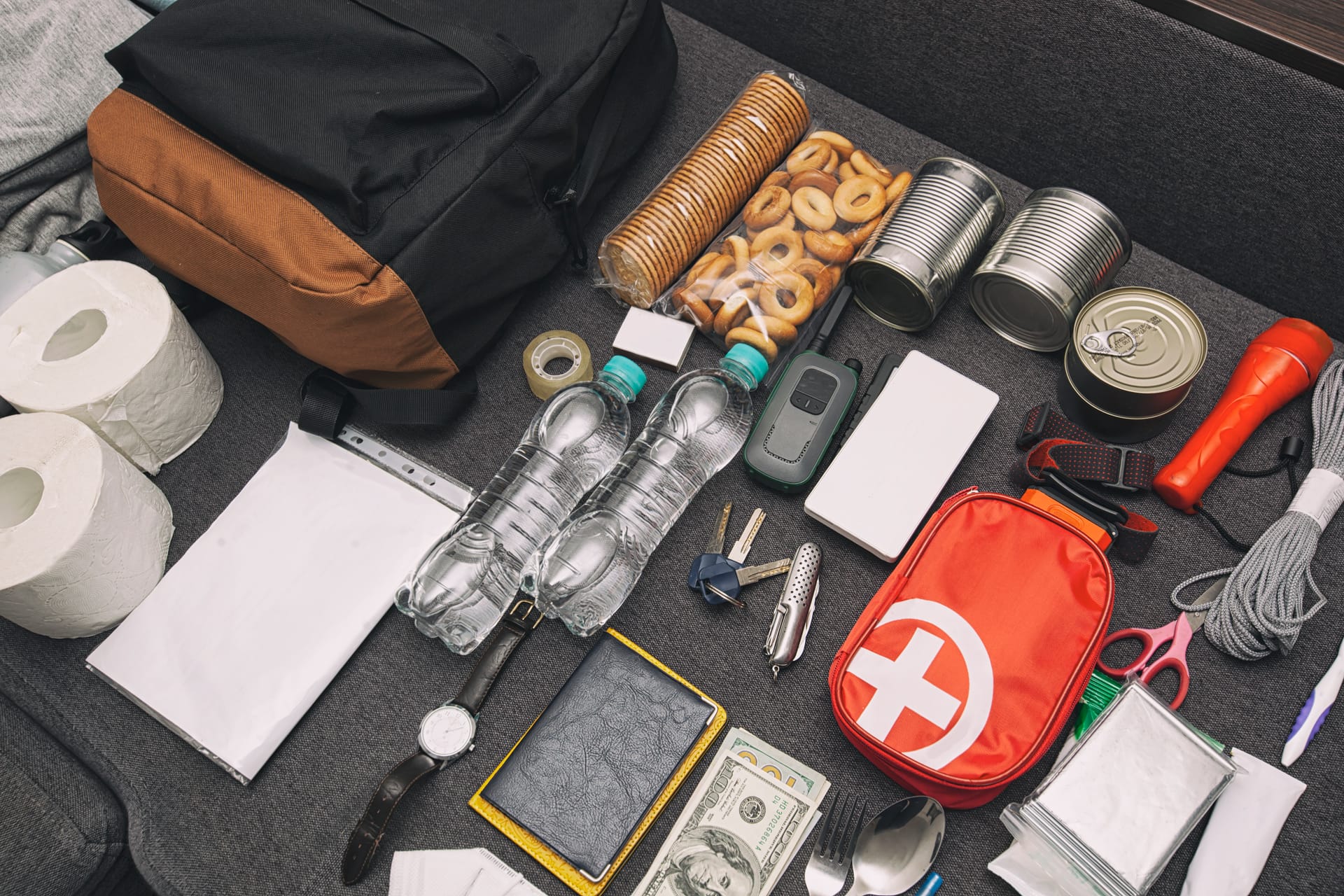
A good car emergency kit revolves around four things: being able to help with injury, being seen, staying warm and fed, and bridging the problem until help arrives. Keep that in mind and you avoid both shortages and needless ballast.
First aid and medical
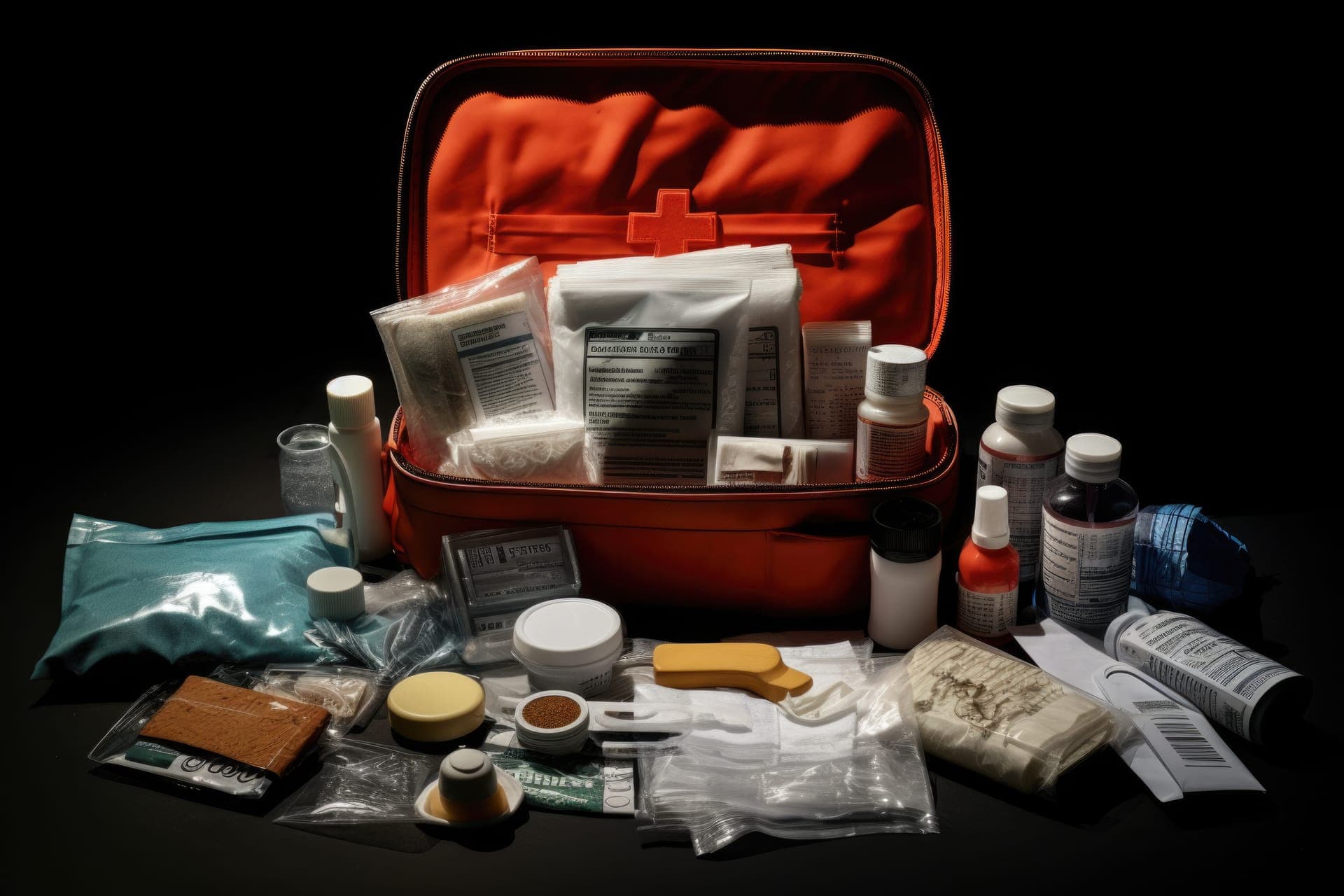
A first aid box belongs in every car. With an accident or cut you want to be able to do something before help arrives. A regular first aid set covers the small things, and anyone who drives further or is often out alone adds an IFAK for more serious injury. Take a look at the broader options in the medical kits.
- first aid box or set
- optionally an IFAK for heavier injury
- gloves and an emergency blanket
Being seen and light
With a breakdown by the road, visibility is a matter of safety. Legally required in many situations, but sensible in any case:
- a safety vest, preferably for each occupant
- a warning triangle
- a torch or headlamp with spare batteries
Water and food
If you get stuck for longer, water and some shelf stable food are worth gold. Keep a few bottles of water and some bars or shelf stable snacks in the car. Keep in mind that water can freeze in winter, so check it seasonally. For storage options take a look at the water bottles and carriers.
Warmth and bridging
Getting stuck in the cold is more than uncomfortable. A few simple things make the difference:
- a warm blanket or emergency foil blanket
- a power bank to charge your phone
- basic tools and jumper cables
- an ice scraper and gloves in winter
Winter extras
In the cold months it pays to add to the kit. Think of an extra blanket, a shovel for snow, antifreeze for the windscreen washer and some grit or cat litter for grip under the tyres. A winter emergency kit is no luxury if you regularly drive in remote or snowy areas.
Keep it organised
Store everything together in a sturdy bag or backpack, so you do not have to search and everything sits in a fixed spot. Check the kit a few times a year for shelf life and completeness. If you want to be prepared more broadly than just the car, read a 72 hour emergency kit: the basics that really count.

Frequently asked questions
What is in a car emergency kit?
The basis is a first aid box, a safety vest, a warning triangle, a torch, water, shelf stable food, a blanket, jumper cables and a power bank. In winter you add extra warmth and grip.
What are handy things to have in your car?
Besides the emergency kit, an ice scraper, basic tools, a spare light, some cash and a charged power bank are handy things to always have in the car.
What do I need in a car emergency kit for winter?
For winter you add an extra blanket, a shovel, antifreeze for the washer, gloves and some grit or litter for grip to the standard kit.
Should I have a first aid box in the car?
A first aid box in the car is strongly advisable and in some countries required. With injury on the road you want to be able to do something before professional help arrives.
A car emergency kit starts with the basics. See the items that really make the difference.