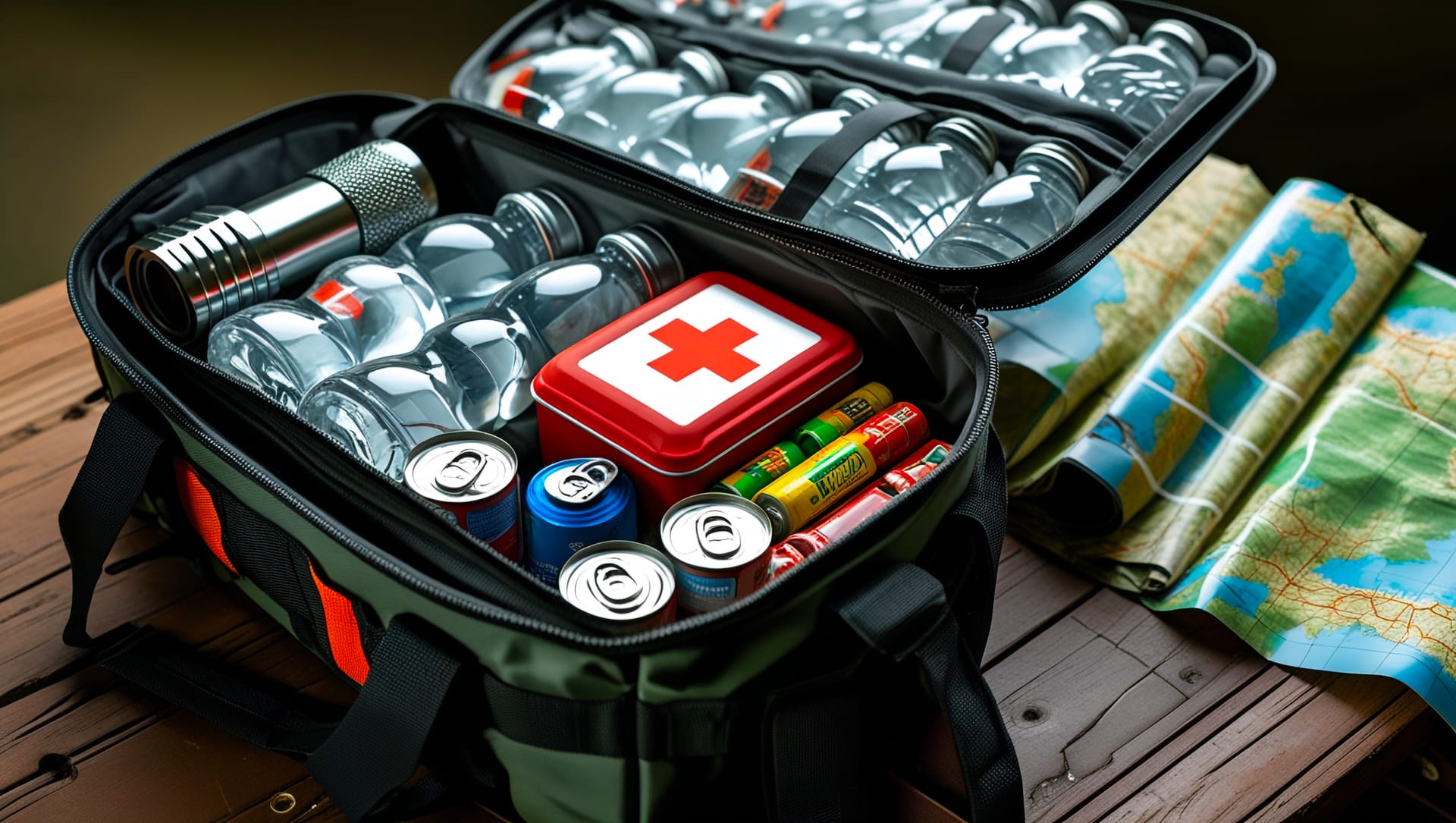
Authorities advise being prepared for a situation where the usual services briefly fail, for example 72 hours without power, water or reachable help. That sounds heavier than it is. A 72 hour emergency kit is not a bunker full of supplies, but a level headed basis that keeps you self reliant. In this article we lay out that basis, without doom thinking.

Why 72 hours?
Three days is the guideline because emergency services usually have the biggest problems under control within that period. The idea is that you can fend for yourself in those first days without depending on shops, power or tap water. It is about bridging, not long term survival.
Water: the most important basis
Water comes first. Count on about three litres per person per day for drinking and basic use, so around nine litres per person for three days. Keep it in a cool, dark place and refresh it periodically. For storage and portable options take a look at the water bottles and carriers.
First aid and medication
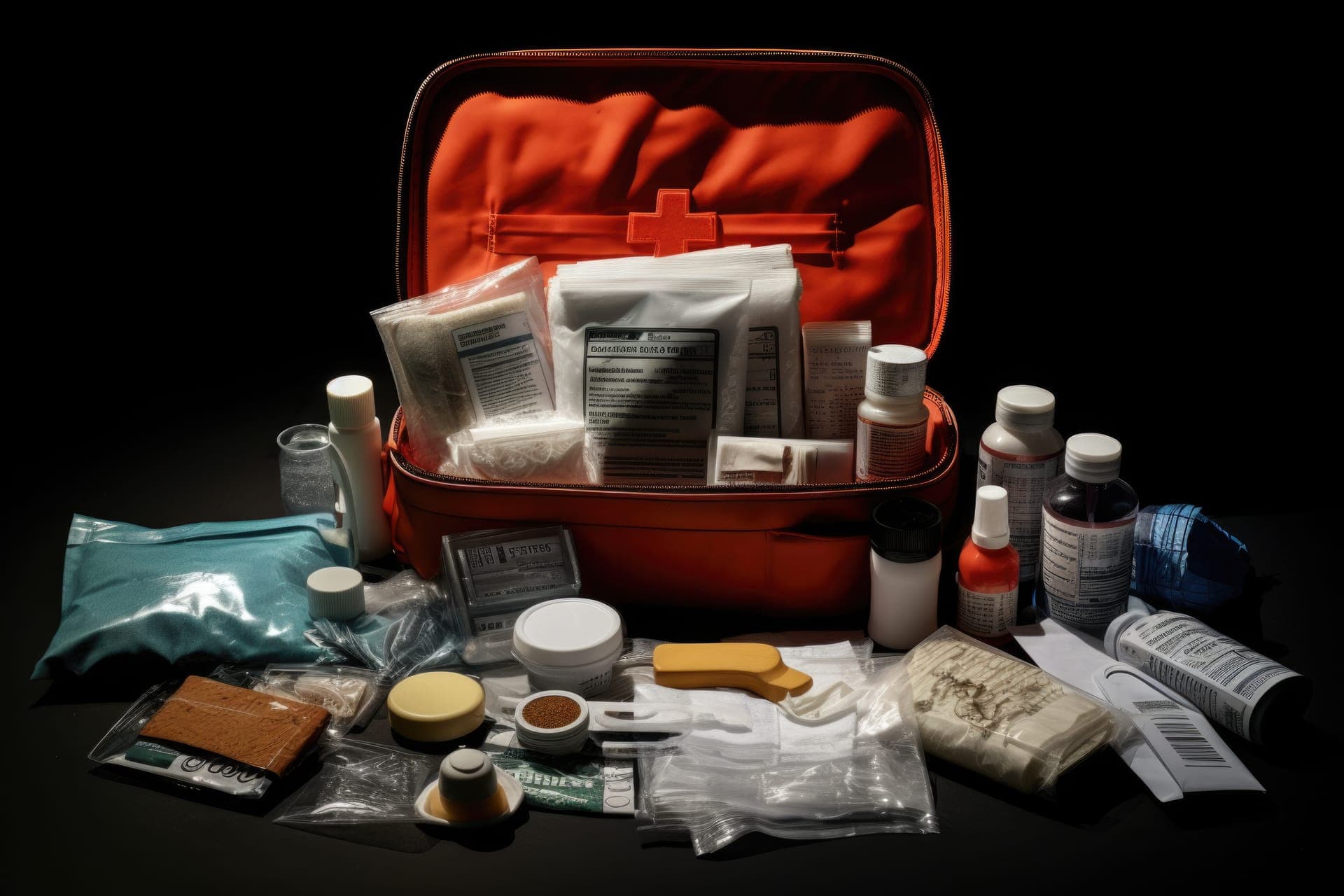
A good first aid set belongs in every emergency kit. Add personal medication you cannot do without, plus optionally an IFAK for more serious injury. Take a look at the broader selection in the medical kits.
- first aid set with dressings, plasters and disinfectant
- personal medication for several days
- optionally an IFAK
Warmth, light and communication
Without power, heating and lighting drop out. So make sure you have:
- warm blankets or an emergency sleeping bag
- a torch or headlamp with spare batteries
- a power bank and optionally a battery radio for information
- matches or a lighter, kept dry
Food that keeps long
Choose food that needs no cooling or preparation and keeps long: canned food, bars, nuts, crispbread and the like. Account for a can opener if you bring cans. It does not have to be tasty, it has to keep you going for three days. If you also want hot coffee without power, read brewing coffee without power.
Documents and the rest
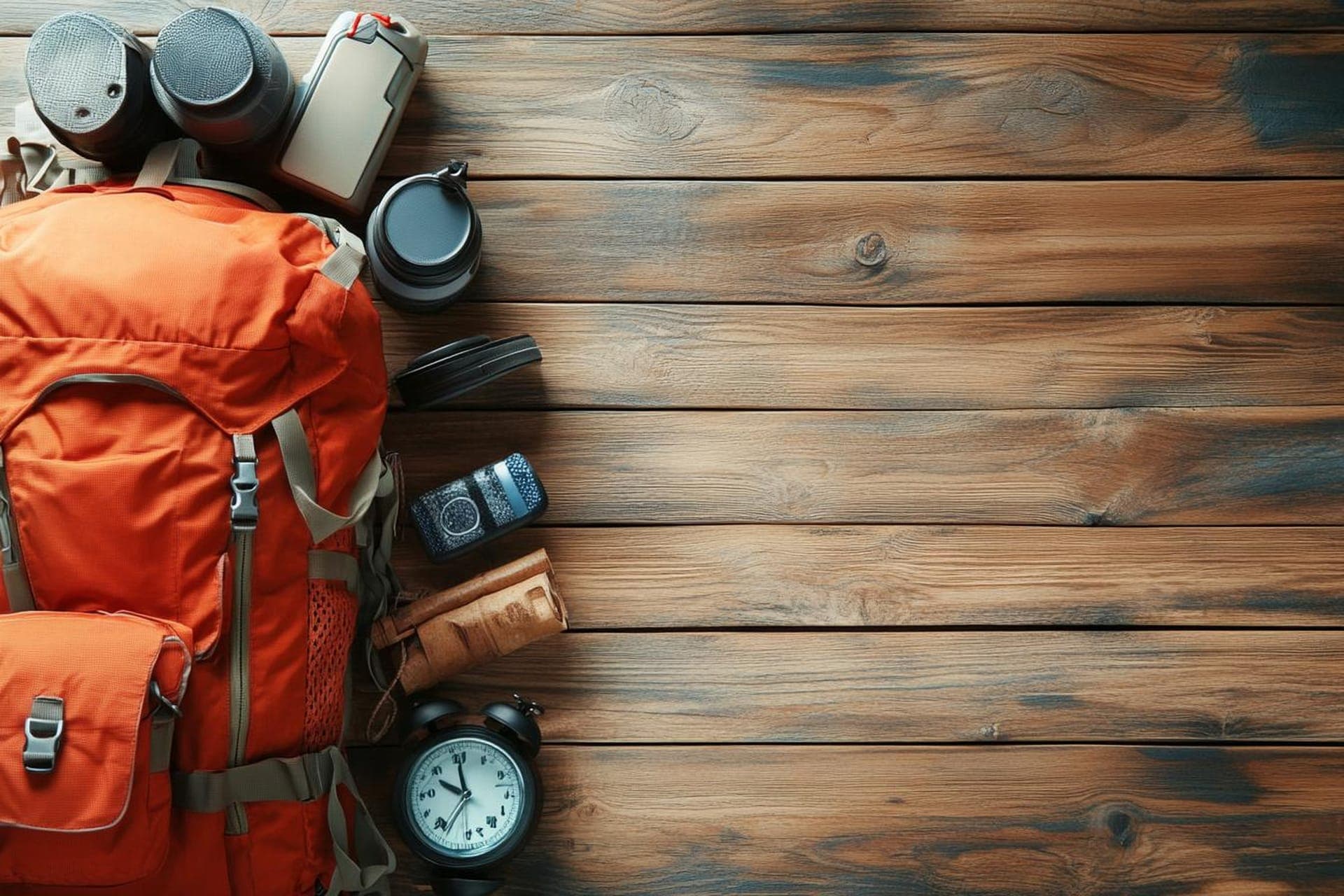
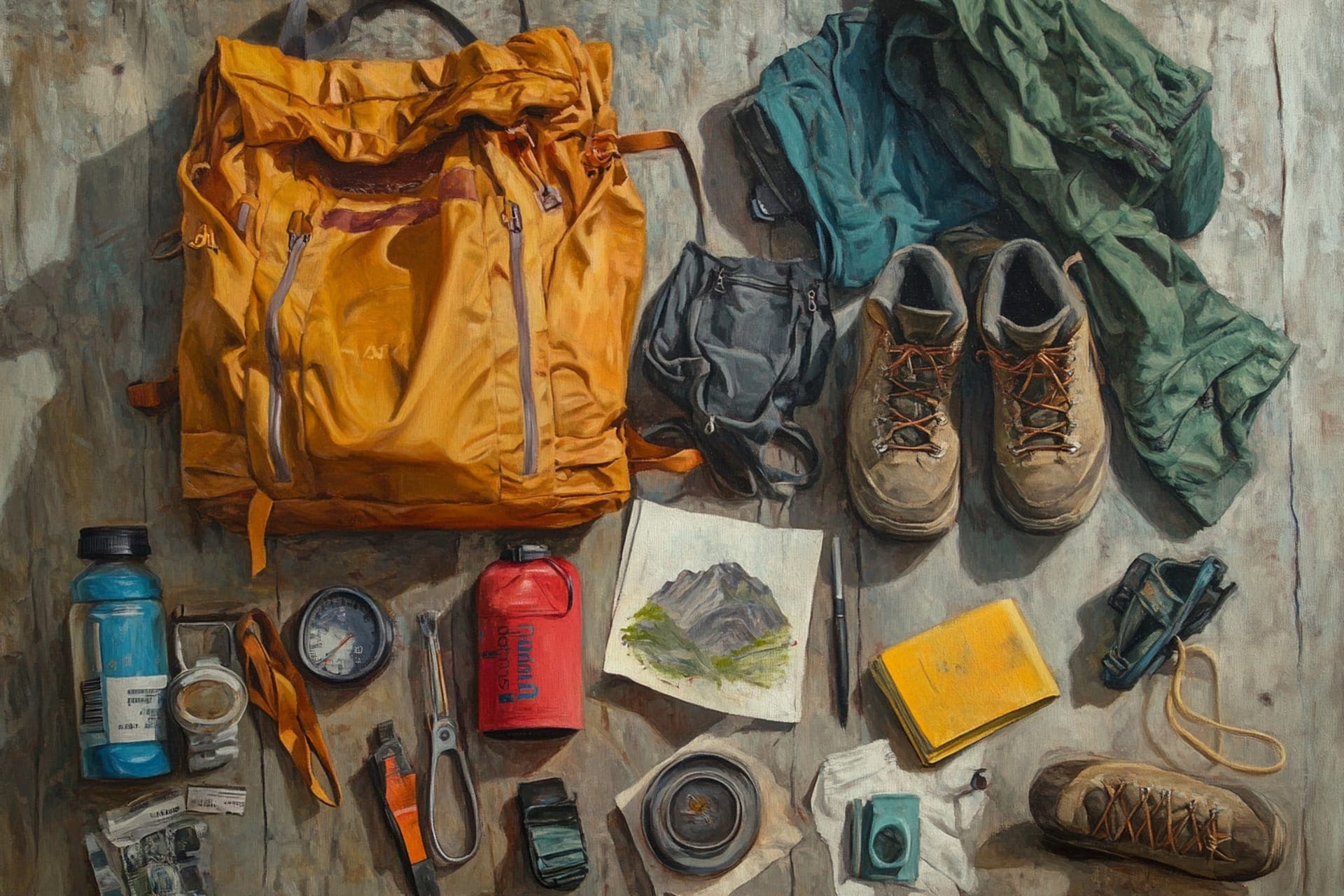
Keep copies of important documents, some cash for when card payments fail, and a list of emergency numbers. Store the whole kit together in a backpack you can grab quickly if you have to leave the house.

Frequently asked questions
What should you stock for 72 hours?
Count on water (about three litres per person per day), shelf stable food, a first aid set, warmth, light, a power bank, a battery radio and copies of important documents.
What do authorities advise in an emergency kit?
Authorities advise enough water and shelf stable food for several days, a first aid set, a torch, a battery radio, a power bank, warmth and important documents and cash.
Is it wise to buy an emergency kit?
An emergency kit is level headed preparation, not doom thinking. You can buy one or assemble it yourself. What matters most is that the basics are right and you know where it is.
Which food keeps long for an emergency kit?
Canned food, bars, nuts, crispbread, dried food and pasta or rice keep long. Choose things that need little or no preparation and watch the expiry date.
Ready for 72 hours on your own? See the gear that belongs in every emergency kit.