The question "what do you take on a day trip" seems simple, but the real work is in the choosing. Not what could all come along, but what has to come. Take everything just in case and you lug around things all day that stay in the bag. Take too little and you miss that one thing at the wrong moment. This overview is about that trade-off: what is really needed and what is extra weight.
We keep it practical. First the short line of what almost always has to come, then the things that depend on the weather and the trip, and finally what you can safely leave at home. The full worked-out packing list with all the separate items is in a separate overview we point to further on; here it is about the choice.
What always has to come on a day trip

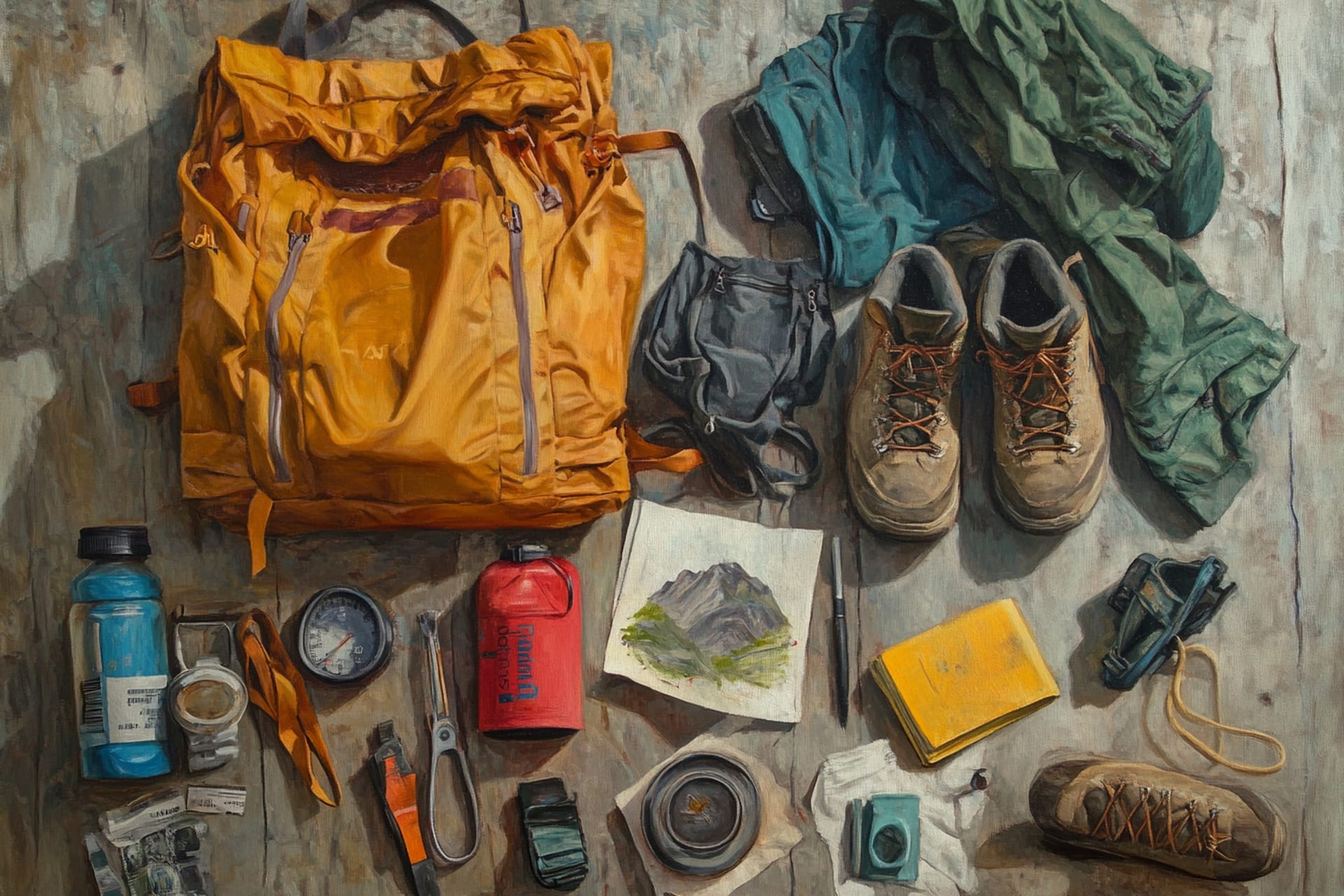
A small group of things comes along on almost every day trip, regardless of the weather or the distance. This is the core the rest is built around. Keep this list short and reliable, and the basics are always in order.
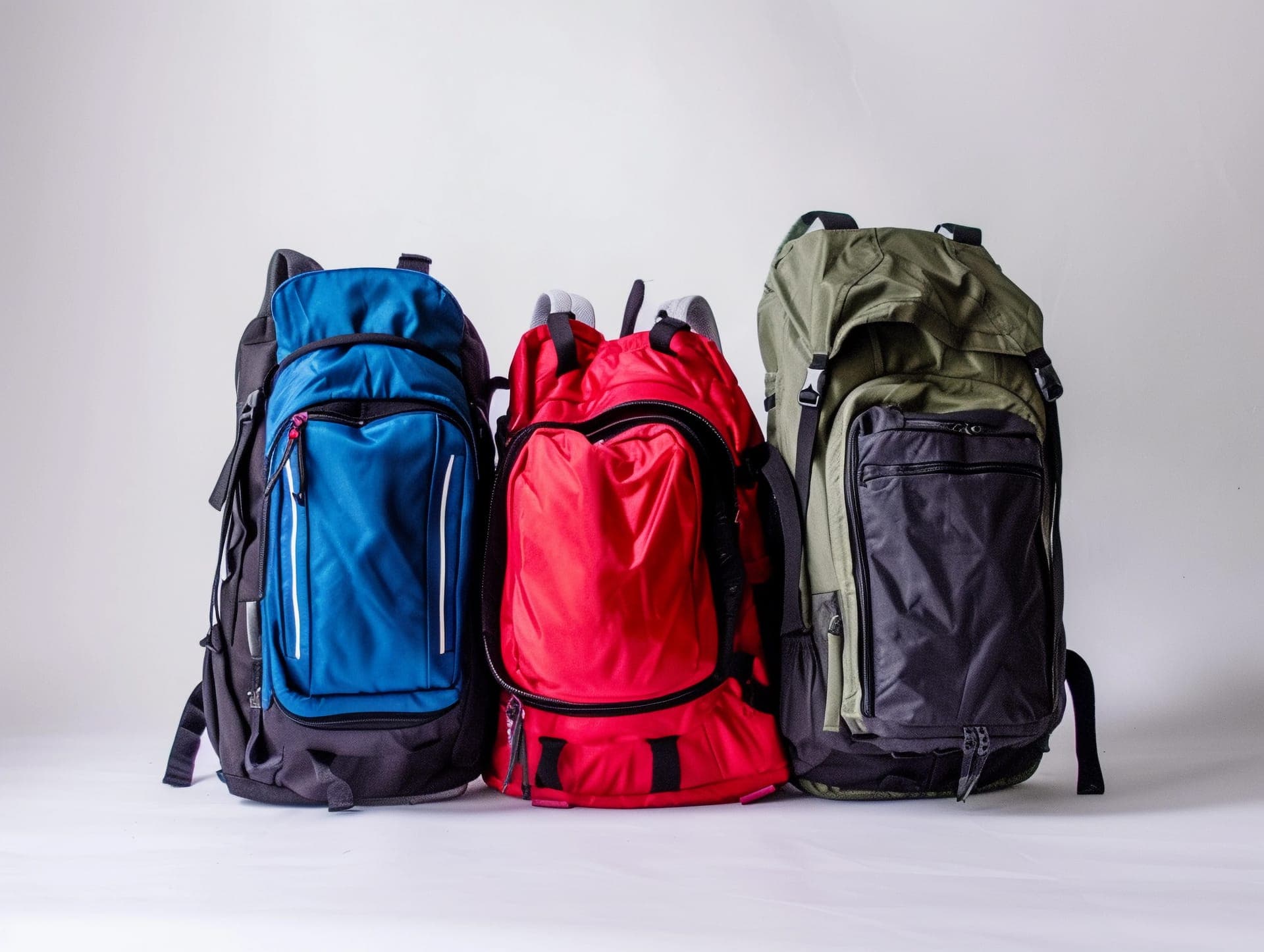
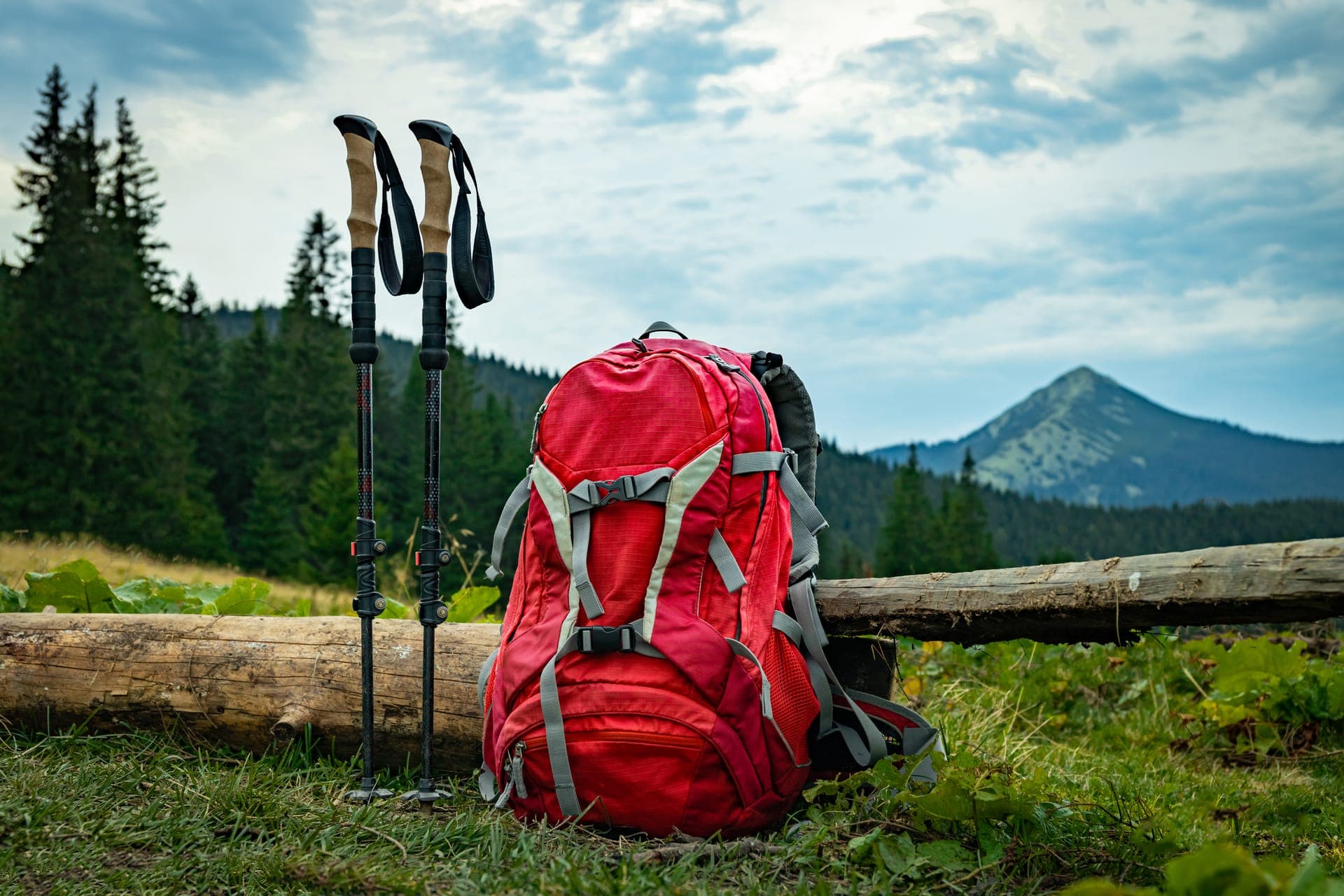
- a backpack that fits and is big enough for a day
- enough water for the duration of the trip
- something to eat that gives energy, such as nuts, fruit or bread
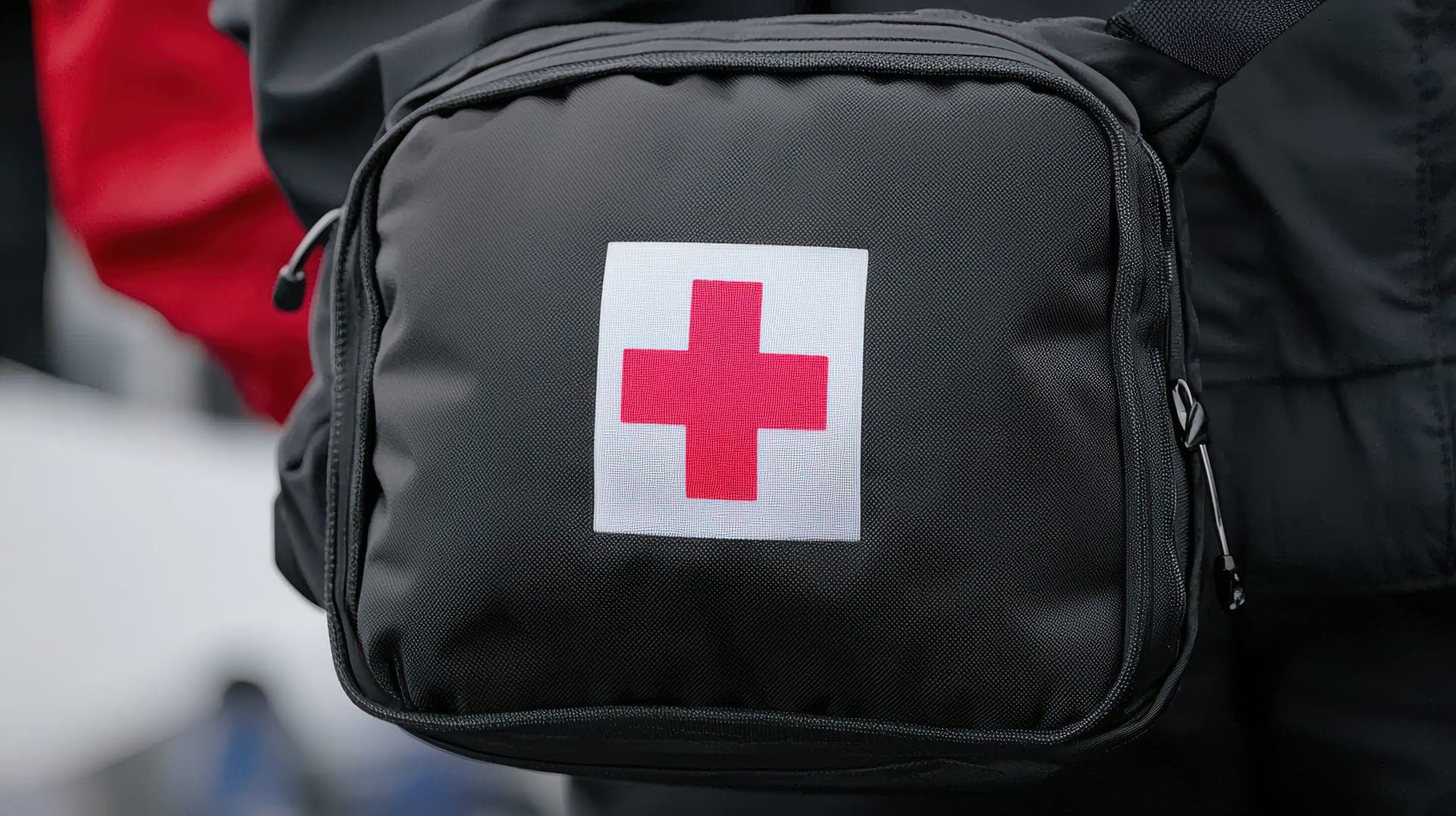
- a small first-aid kit for blisters and minor injuries
- a charged phone and the route or a map
These five form the basis of almost every day trip. The backpack carries the rest, so you want it to fit and be the right size. Water is the most important consumable; food keeps you going. The first-aid kit and the route are there just in case. The backpacks themselves can be found at the outdoor backpacks and the bottles and carriers at the water bottles and water carriers.
What you take depending on the trip
Beyond the fixed basics there is a second group that you tune to the weather, the distance and how far you are from amenities. This is where most of the gain is, because this is exactly where people take too much or too little. The rule of thumb is simple: take it if the conditions of that day call for it, and otherwise leave it at home.
- a rain jacket or extra layer if the weather might change
- sun protection and a cap in sun and open terrain
- a hot drink or thermos flask in cold or wet weather
- a power bank if you navigate a lot on your phone
- extra food and water on a long trip or with few refill points
The weather is the most important factor in this group. Even if the morning starts out nice, it can change on the way, so a rain jacket or extra layer is often sensible. A hot drink weighs little and gives a lot back on a cold day; how to make good coffee on the way without a kitchen, and what is handy for that, you can see at the water bottles and thermos flasks.
What you can safely leave at home
Just as important as what you take is what you leave at home. A day trip is not a multi-day trek, so many things you would pack just in case can safely stay home. That saves weight and space in your backpack.
- camping and sleeping gear: not needed for a day
- spare clothing for several days
- heavy extras you probably will not use
- duplicate items you already have on your phone or in your basic kit
The art is being honest about what you are really going to use. A good check is to look after the trip at what your bag did not come out of; that can often stay home next time. That way your packing list gets a lot lighter with every trip.
The concrete packing list
This overview is about the choice: what has to come and what you leave at home. If you want a complete, worked-out packing list with all the separate items in a row, that is in the overview on the packing list for a day trip. Use the trade-offs from this article as a framework and that packing list as a checklist, and you have both sides covered: what belongs in it and why.
Frequently asked questions
What do you take on a day trip?
On a day trip you take, as a basis, a suitable backpack, enough water, something to eat, a small first-aid kit and a charged phone with the route. Depending on the weather and the distance you add a rain jacket, sun protection, a hot drink or a power bank. Camping and sleeping gear and spare clothing for several days you leave at home.
How much water do you take on a day trip?
How much water you take depends on the temperature, the effort and whether you can refill along the way. There is no fixed number that always holds; assume a generous amount and take extra on warm or long days. Also keep in mind whether there are places along the way to refill your bottle.
How do you keep your backpack light on a day trip?
A backpack stays light by only taking what makes the trip safe and comfortable for that day, and leaving the rest at home. Start with the fixed basics, add only what the weather and the distance call for, and leave out camping gear, spare clothing and heavy extras. After a trip you often see which items you did not use; those can stay home next time.
Ready to pack? Begin with a backpack that suits a day out.